

As an Amazon Associate I earn from qualifying purchases and sometimes recommend products from other sellers at no extra cost you. For more details see my disclosure policy and privacy policy.
Infused spirits are alcoholic beverages that have been flavored by steeping various ingredients such as fruits, herbs, spices, or even vegetables in the base spirit. This process imparts new flavors and aromas to the alcohol, creating unique and personalized drinks.
The art of infusing spirits has a rich history dating back centuries. In ancient times, people infused alcohol with herbs and spices for medicinal purposes. Over time, this practice evolved into a culinary art form, with bartenders and mixologists creating signature flavored spirits for cocktails and sipping.
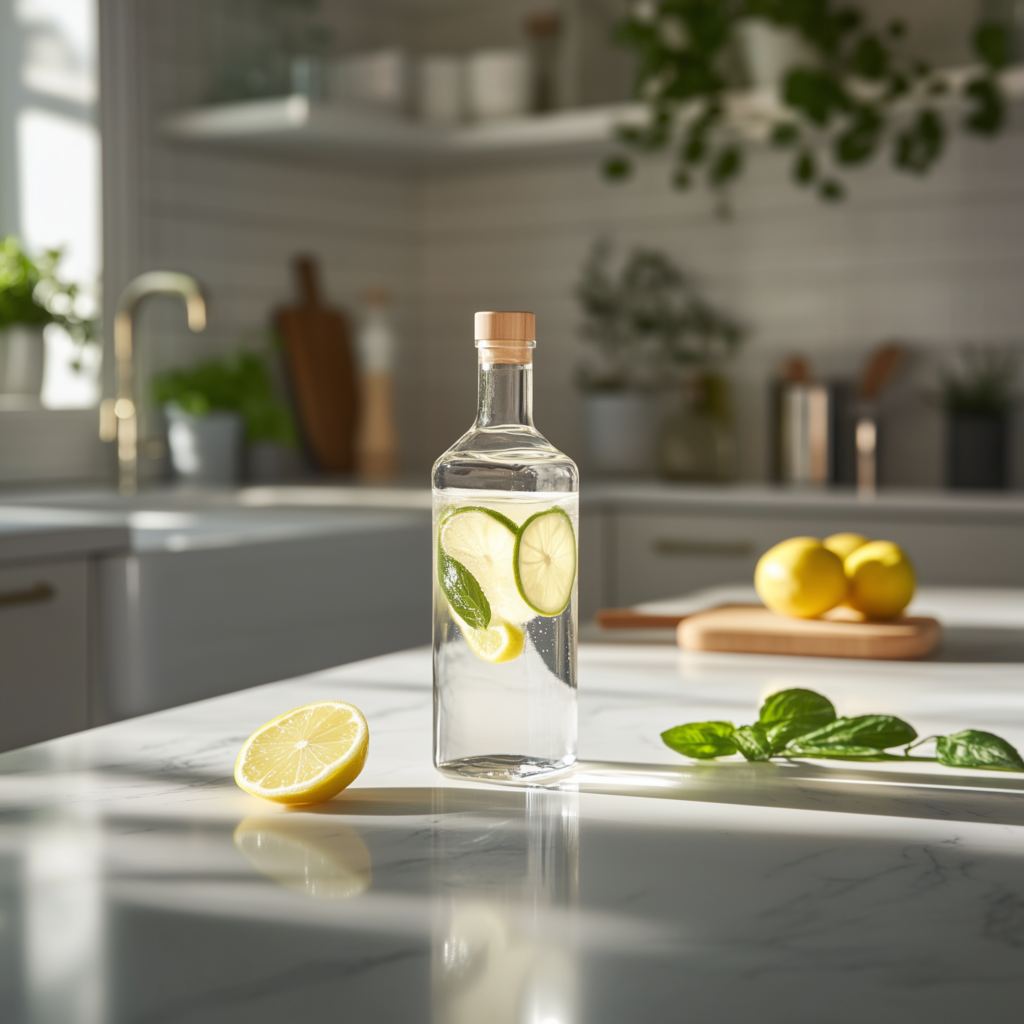
Making infused spirits at home offers several benefits:
- Customization: Create unique flavors tailored to your taste preferences.
- Cost-effectiveness: Craft premium flavored spirits at a fraction of the cost of store-bought versions.
- Quality control: Use fresh, high-quality ingredients and avoid artificial additives.
- Creativity: Experiment with various flavor combinations and seasonal ingredients.
- Gift-giving: Homemade infused spirits make excellent personalized gifts.
Contents
Choosing Your Base Spirit
The foundation of any infused spirit is the base alcohol. Your choice of spirit will significantly impact the final product, so it’s essential to select wisely.
Popular spirits for infusion
Vodka is often considered the ideal base for infusions due to its neutral flavor profile. It allows the infused ingredients to shine without competing flavors. Gin, already infused with botanicals, can be further enhanced with complementary flavors. Be mindful that the existing gin flavors will interact with your infusion.
White rum works well with fruit and spice infusions. Its slightly sweet character can complement many flavor profiles. Blanco (silver) tequila can be infused with flavors that complement its natural notes, such as citrus or chili peppers.
Considerations when selecting a base spirit
When choosing your base spirit, keep in mind:
- Proof: Higher proof spirits (at least 80 proof or 40% alcohol by volume) are better at extracting flavors and have a longer shelf life.
- Quality: Use mid-range spirits. Cheap spirits won’t improve significantly, while expensive ones may lose their unique characteristics.
- Flavor profile: Consider how the spirit’s inherent flavors will interact with your chosen infusion ingredients.
Spirits less suitable for infusions
Some spirits are less ideal for infusions. Aged whiskeys and bourbons, for example, already have complex flavor profiles developed through aging in oak barrels. Infusing them can overpower or clash with their existing flavors, potentially wasting a good whiskey.
High-end spirits are generally not recommended for infusions. The nuanced flavors of premium spirits can be lost or altered during the infusion process. Very low-proof spirits (below 40% ABV) may not extract flavors as effectively and can increase the risk of bacterial growth during infusion.
Selecting Flavoring Ingredients
The ingredients you choose for infusion will define the character of your finished spirit. Here are some popular categories:
Fresh fruits
Fruits add sweetness, acidity, and vibrant flavors to spirits. Popular choices include berries (strawberries, raspberries, blueberries), citrus fruits (lemons, limes, oranges), stone fruits (peaches, apricots, cherries), and tropical fruits (pineapple, mango, coconut).
Herbs and Spices
Herbs can add freshness, complexity, and aromatic notes to your infusions. Consider using mint, basil, rosemary, thyme, or lavender. Spices, on the other hand, bring warmth, depth, and exotic flavors. Popular options include vanilla beans, cinnamon sticks, star anise, peppercorns, and cardamom pods.
Vegetables
Some vegetables can add unique savory or spicy elements to your infusions:
- Jalapeños or other chili peppers for heat
- Cucumbers for a refreshing note
- Beets for earthiness and color
- Ginger root for a spicy kick
Complementary flavor pairings
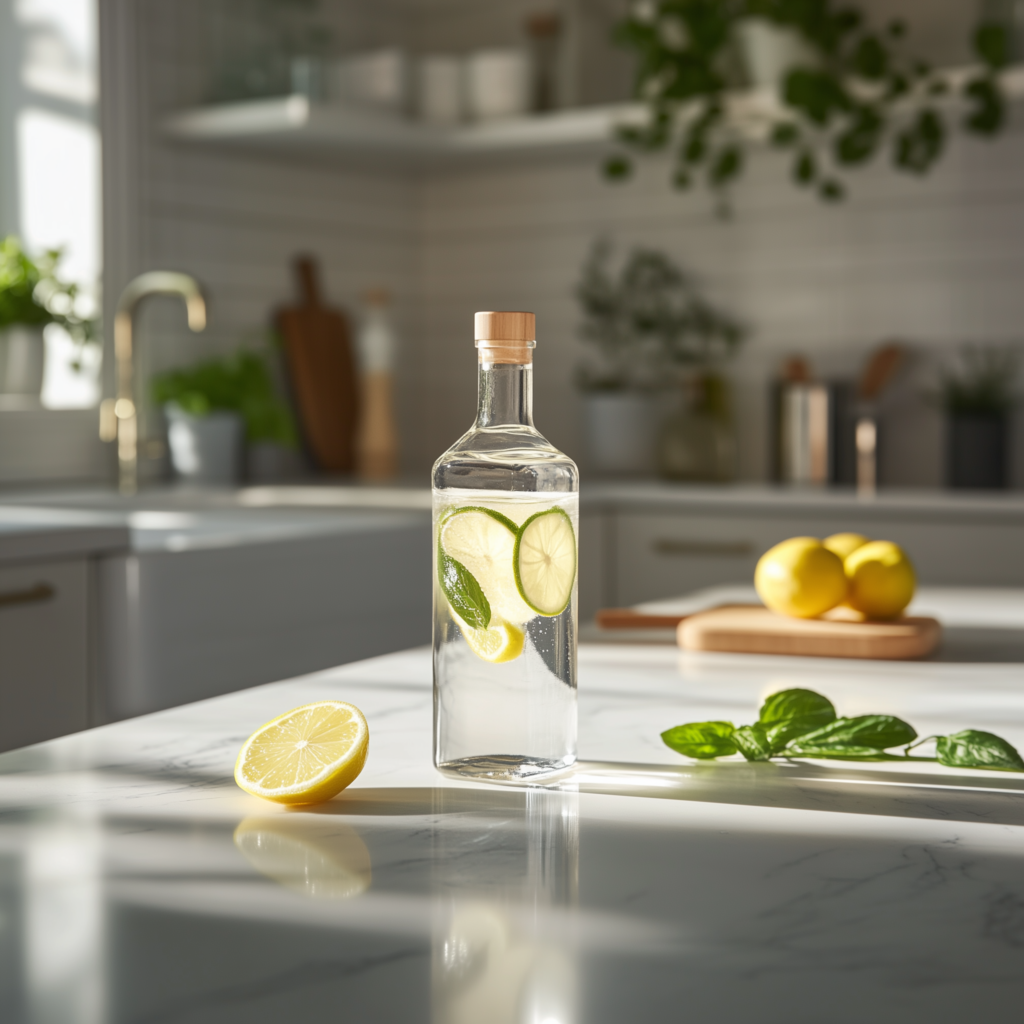
Consider combining flavors that work well together, such as strawberry and basil, lemon and thyme, pineapple and jalapeño, apple and cinnamon, or cucumber and mint. When selecting ingredients, always choose fresh, high-quality produce. Avoid using anything overripe or showing signs of spoilage, as this can negatively affect your infusion.
Equipment Needed
To create infused spirits at home, you’ll need some basic equipment:
- Glass jars or bottles: Use clean, sealable glass containers for infusing. Mason jars or flip-top bottles work well. Avoid plastic, as it can interact with the alcohol.
- Strainers and filters: A fine-mesh strainer for removing larger solids, and cheesecloth or coffee filters for achieving clarity.
- Measuring tools: A kitchen scale for weighing ingredients, and measuring cups and spoons for consistent ratios.
- Cutting tools: A sharp knife for preparing fruits and vegetables, and a cutting board.
Additional useful items include a funnel for transferring liquids, labels and a marker for dating your infusions, and clean bottles for storing the finished product. Ensure all equipment is thoroughly cleaned and sanitized before use to prevent contamination of your infusions.
The Infusion Process
Creating your own infused spirits is a straightforward process. Follow these steps for the best results:
- Preparing ingredients: Wash all fruits, herbs, and vegetables thoroughly. Remove any stems, leaves, or parts you don’t want to infuse. Cut fruits and vegetables into smaller pieces to increase surface area. Use whole spices when possible for easier removal.
- Ratios and measurements: For fruits, use a 2:1 ratio of fruit to spirit by weight (e.g., 400g strawberries to 200ml spirit). For herbs and spices, use less, as they have stronger flavors. Start with 1-2 tablespoons per cup of spirit. Adjust ratios based on personal preference and ingredient intensity.
- Combining ingredients and spirit: Place prepared ingredients in a clean, sealable glass jar or bottle. Pour the spirit over the ingredients, ensuring they are fully covered. Leave some headspace at the top of the container.
- Sealing and storing: Seal the container tightly to prevent evaporation and contamination. Store in a cool, dark place away from direct sunlight, as sunlight can affect the flavors and potentially lead to spoilage.
- Shaking and monitoring: Shake the jar once daily during the infusion period. This helps distribute flavors and prevents ingredients from clumping. Taste your infusion regularly to track its progress.
Infusion Times
The duration of infusion varies depending on the ingredients used and your desired flavor intensity. Here are some general guidelines:
- Spices: 24 hours to 3 days
- Herbs: 3 to 7 days
- Fruits and vegetables: 3 to 14 days
Factors affecting infusion time include ingredient type and intensity, desired flavor strength, alcohol content of the base spirit, and temperature of the storage area. Begin tasting your infusion after the minimum recommended time. Continue infusing if you desire a stronger flavor, but remove ingredients promptly once your desired flavor is achieved. If the flavor becomes too strong, you can dilute with more of the base spirit.
Straining and Finishing
Once your infusion has reached the desired flavor profile, it’s time to remove the solid ingredients and prepare your infused spirit for consumption or storage.
Start by using a fine-mesh strainer to separate the liquid from the solid ingredients. Gently press on the solids to extract as much liquid as possible, then discard the used ingredients. For a clearer result, strain the liquid through a coffee filter or cheesecloth. This process may need to be repeated for maximum clarity, so be patient, as fine filtering can take time.
After straining and filtering, transfer the infusion into a clean bottle or jar. If you plan to store the infusion for an extended period, consider using dark glass bottles to protect the liquid from light exposure. Don’t forget to label your bottle with the type of infusion and the date it was made.
Storage and Shelf Life
Proper storage is crucial for maintaining the quality and safety of your homemade infused spirits. Store your creations in a cool, dark place, away from direct sunlight or heat sources. Ensure bottles are tightly sealed to prevent evaporation.
Most infused spirits will last 3-6 months when stored properly. Keep in mind that:
- Higher alcohol content and absence of sugars can extend shelf life.
- Fruit-infused spirits may have a shorter shelf life due to natural sugars.
- Homemade infusions don’t have preservatives, so it’s important to use common sense when consuming older infusions.
Be on the lookout for signs of spoilage, such as:
- Off odors or flavors
- Cloudiness or sediment that wasn’t present initially
- Changes in color
If you notice any of these signs, it’s best to discard the infusion.
Creative Ideas and Recipes
Once you’ve mastered the basics of infusing spirits, the possibilities are endless. Here are some creative ideas to inspire your next infusion:
- Seasonal Infusions: Embrace the flavors of each season. Try a cranberry and orange infusion for winter, lavender lemon for spring, strawberry basil for summer, or apple cinnamon for fall.
- Spicy Kick: Create a spicy vodka by infusing it with jalapeños or habaneros. This makes an excellent base for a spicy Bloody Mary.
- Floral Notes: Infuse gin with chamomile and honey for a soothing, aromatic spirit perfect for relaxing evening cocktails.
- Dessert-Inspired: Try a vanilla bean and caramel infusion in rum for a decadent after-dinner sipper.
- Savory Blends: Experiment with herbs like rosemary, thyme, and sage in vodka for a savory infusion that works well in martinis.
Here’s a simple recipe to get you started:
Cucumber Mint Gin
- 750 ml gin
- 1 large cucumber, sliced
- 1 bunch fresh mint leaves
Combine all ingredients in a large jar. Infuse for 3-5 days, shaking daily. Strain and enjoy in a refreshing gin and tonic or cucumber mint martini.

Troubleshooting Common Issues
Even experienced infusers can run into issues. Here are some common problems and how to solve them:
- Weak flavor: If your infusion tastes weak, you may need to let it infuse longer or use more ingredients. You can also try cutting your ingredients into smaller pieces to increase surface area.
- Overpowering flavor: If the flavor is too strong, dilute the infusion with more of the base spirit. In the future, use less of the flavoring ingredient or infuse for a shorter time.
- Cloudiness: Some cloudiness is normal, especially with fruit infusions. For a clearer result, try double or triple filtering through a coffee filter.
- Unwanted bitterness: This can happen if you’ve left the infusion too long, especially with citrus peels or certain herbs. In the future, reduce infusion time or remove bitter elements (like citrus pith) before infusing.
Safety Considerations
While infusing spirits is generally safe, it’s important to keep a few safety considerations in mind:
- Always use food-safe ingredients and clean equipment to prevent contamination.
- Be cautious when infusing with hot peppers – use gloves to handle them and start with a small amount.
- Avoid using any ingredients that might be toxic or harmful when combined with alcohol.
- Remember that homemade infusions can be stronger than you expect – always drink responsibly.
Legal Considerations
Before you start gifting or selling your infused spirits, be aware of the legal implications:
- In most places, it’s legal to infuse spirits for personal consumption.
- However, selling homemade infused spirits without proper licensing is generally illegal.
- If you’re considering selling your creations, look into local laws and proper licensing requirements.
- When gifting infused spirits, make sure the recipient is of legal drinking age.
Conclusion
Creating your own infused spirits at home is a rewarding and enjoyable process that allows you to explore a world of flavors. From selecting your base spirit and ingredients to mastering the infusion process, you now have the knowledge to create unique, personalized drinks.
Remember, the key to great infusions is experimentation and patience. Don’t be afraid to try new flavor combinations, and always take notes on your process so you can replicate (or improve upon) your successes.
Whether you’re crafting a special gift, preparing for a party, or simply enjoying a new hobby, homemade infused spirits offer endless possibilities for creativity and enjoyment. So grab a bottle, choose your ingredients, and start infusing!


