
As an Amazon Associate I earn from qualifying purchases and sometimes recommend products from other sellers at no extra cost you. For more details see my disclosure policy and privacy policy.
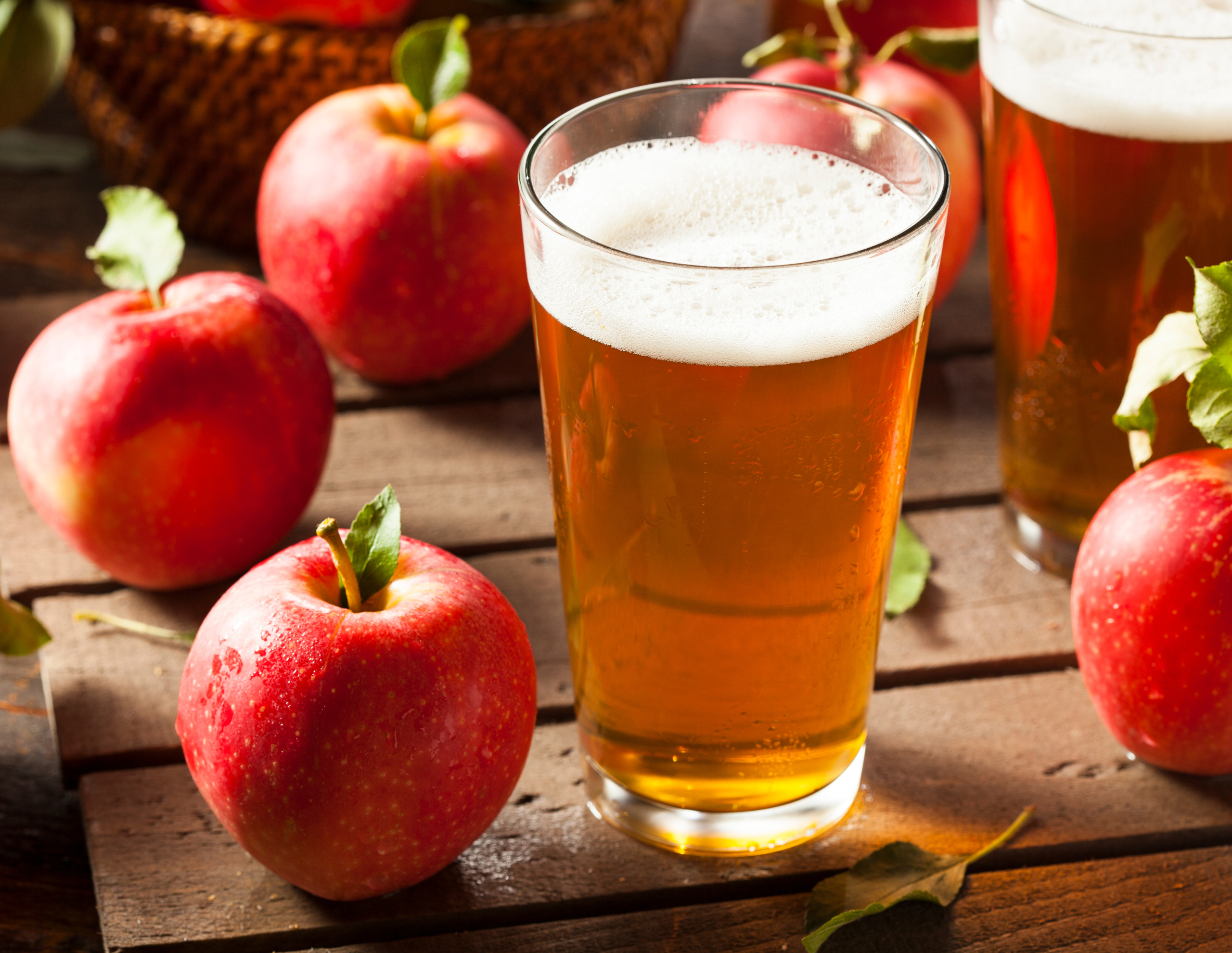
Cider, a refreshing alcoholic beverage made from fermented apple juice, has been enjoyed for centuries and is experiencing a modern renaissance. This guide will introduce you to the world of cider, from its rich history to the intricacies of its production and enjoyment.
What is cider?
- An alcoholic beverage made by fermenting apple juice
- Typically contains 2% to 8% alcohol by volume
- Can be still or sparkling, sweet or dry

Cider has a long and storied history, dating back to ancient times. The Romans encountered cider when they invaded England in 55 BCE, where the locals were already fermenting apple juice. Today, cider is enjoyed worldwide, with each region putting its own spin on this versatile drink.
Contents
How Cider is Made
The process of making cider is an art that combines traditional techniques with modern innovations. At its core, cider-making is about extracting and fermenting the natural sugars in apples to create a delightful alcoholic beverage.
Apples used in cider making:
- Cider-specific varieties, often too tart or tannic for eating
- Blend of different apple types for complexity
- Common varieties: Kingston Black, Dabinett, Yarlington Mill
The basic production process involves several steps:
- Harvesting and washing the apples
- Crushing the apples to extract the juice
- Pressing the pulp to separate the juice
- Fermentation, where yeast converts sugars to alcohol
- Aging, which can occur in various vessels like barrels or tanks
Fermentation is the magical process where cider truly comes to life. Wild yeasts present on the apple skins can be used for spontaneous fermentation, or cultivated yeasts can be added for more controlled results. The fermentation process typically takes a few weeks to a few months, depending on the desired style and strength of the cider.
Types of Cider
The world of cider is diverse, offering a wide range of styles to suit every palate. Understanding these variations can help you navigate the cider aisle with confidence.
Still vs. Sparkling:
- Still cider: No carbonation, similar to wine in texture
- Sparkling cider: Carbonated, either naturally through fermentation or artificially
Sweet vs. Dry:
- Sweet cider: Higher residual sugar content, fruitier flavor
- Dry cider: Most sugars fermented out, crisp and less sweet
- Semi-dry/medium: A balance between sweet and dry
Traditional vs. Modern Styles:
- Traditional: Often made with cider-specific apples, complex flavors
- Modern: May include other fruits or flavors, often sweeter
Regional Variations:
- English cider: Often dry, sometimes still, strong apple flavor
- French cidre: Generally lower alcohol, naturally sparkling
- Spanish sidra: Typically still, tart, and funky
- American cider: Wide range, from traditional to innovative fruit blends
Each type of cider offers a unique drinking experience, reflecting both the apples used and the traditions of its origin. Exploring these varieties is part of the joy of discovering cider.
Tasting Cider
Appreciating cider is similar to tasting wine or craft beer. By paying attention to its appearance, aroma, and flavor, you can develop a deeper understanding and enjoyment of this complex beverage.
How to properly taste cider:
- Look: Observe the color and clarity
- Swirl: Release the aromas
- Smell: Identify the fragrances
- Sip: Let the cider coat your palate
- Savor: Consider the flavors and mouthfeel
Flavor profiles and terminology:
- Fruit notes: Apple (of course), pear, citrus, stone fruits
- Other flavors: Honey, caramel, vanilla, spices
- Structural elements: Acidity, tannin, sweetness, body

Food pairings:
- Cheese: Sharp cheddar, creamy brie, tangy blue cheese
- Meats: Pork, chicken, cured meats
- Desserts: Apple pie, fruit tarts, vanilla ice cream
Remember, tasting is subjective, and the best cider is the one you enjoy most. Don’t be afraid to trust your own palate and preferences as you explore the world of cider.
Popular Cider Brands
The cider market has exploded in recent years, offering a wide range of options from large international brands to small craft producers. Exploring different brands can help you discover your preferences and expand your cider horizons.
International brands:
- Strongbow (UK)
- Magners (Ireland)
- Angry Orchard (US)
- Somersby (Denmark)
These brands are widely available and offer consistent quality, making them good starting points for cider beginners.
Craft and local ciders:
- Often use traditional methods and local apples
- Tend to have more complex flavors
- Support local agriculture and economies
Examples of craft ciders (vary by region):
- Aspall (UK)
- Cidre Bouché (France)
- Virtue Cider (US)
- Willie Smith’s (Australia)
When possible, try ciders from your local area. Many regions have their own cider traditions and unique apple varieties that create distinctive flavors.
Serving and Enjoying Cider
Proper serving can enhance your cider experience, bringing out the best in each variety.
Proper glassware:
- Tulip glass: Enhances aromas and maintains carbonation
- Wine glass: Good for still ciders or those with wine-like qualities
- Pint glass: Casual option, especially for draft ciders
Serving temperature:
- Most ciders are best served chilled (42-50°F / 6-10°C)
- Lighter, fruitier ciders: Serve colder
- Complex, tannic ciders: Serve slightly warmer to release aromas
Cider can also be a versatile ingredient in cocktails, adding fruity notes and effervescence. Some popular cider cocktails include:
- Snakebite: Equal parts lager and cider
- Cider Mimosa: Sparkling cider and orange juice
- Apple Pie: Cider, spiced rum, and cinnamon
Experiment with different combinations to find your favorite cider cocktail!
Health Considerations
While cider can be part of a balanced lifestyle, it’s important to understand its nutritional aspects and consume it responsibly.
Alcohol content:
- Typically ranges from 2% to 8% ABV
- Some specialty ciders can be higher
- Always check the label and drink responsibly
Nutritional information:
- Calories: Generally 150-200 per 12 oz serving
- Carbohydrates: Varies widely depending on sweetness
- Contains some antioxidants from apples
Gluten-free aspect:
- Most ciders are naturally gluten-free
- Great alternative for those with gluten sensitivities
- Always check the label, as some may contain gluten-based additives
As with any alcoholic beverage, moderation is key. Enjoy cider as part of a balanced diet and healthy lifestyle.
Making Cider at Home
For those interested in a hands-on experience, making cider at home can be a rewarding hobby.
Basic home brewing process:
- Obtain fresh apple juice (preferably unpasteurized)
- Add yeast (or rely on wild yeast if using unpasteurized juice)
- Allow to ferment in a sterilized container
- Monitor and taste regularly
- Bottle when fermentation is complete
Equipment needed:
- Fermentation vessel (carboy or food-grade bucket)
- Airlock and stopper
- Siphon and tubing
- Bottles for the finished cider
Tips for beginners:
- Start with a small batch to learn the process
- Keep everything clean and sanitized
- Be patient – good cider takes time
- Experiment with different apple varieties and yeast strains
Remember, home brewing regulations vary by location, so check local laws before starting.
Conclusion
The world of cider is rich and diverse, offering something for every palate. From understanding its history and production to exploring different styles and even making your own, the journey into cider appreciation is an exciting one.
The future of cider looks bright, with craft producers pushing boundaries and consumers showing increased interest in this versatile beverage. Whether you prefer a traditional dry cider or an innovative fruit blend, there’s always something new to discover.