
As an Amazon Associate I earn from qualifying purchases and sometimes recommend products from other sellers at no extra cost you. For more details see my disclosure policy and privacy policy.
Botanical cocktails don’t need to be complicated or require a home bar stocked with obscure ingredients. These three beautifully balanced drinks prove you can create sophisticated, flavour-forward cocktails with just four ingredients each—a base spirit, one simple syrup or cordial, fresh citrus, and a fizzy topper.
Each recipe follows the shake-and-pour method, making them perfect for entertaining without the faff. Best of all, every botanical ingredient is available in UK supermarkets and US grocery stores, so you won’t be hunting down specialty items or spending a fortune on rare liqueurs.

Contents
Why You’ll Love These Botanical Cocktails
- Genuinely simple: Just four ingredients per drink means less prep, fewer bottles to buy, and more time enjoying your cocktail
- One syrup does the work: Each recipe features a single botanical element—whether it’s elderflower cordial you can buy ready-made or a quick 10-minute lemongrass syrup you’ll use all week
- Scalable for crowds: The shake-and-pour format makes it easy to batch these drinks for parties or mix them individually
- Year-round flexibility: Use blood oranges in winter when they’re in season, elderflower cordials whenever you fancy something floral, and lemongrass for a fresh Asian-inspired twist
What Are Botanical Cocktails?
Botanical cocktails showcase ingredients like herbs, flowers, roots, and aromatic plants that add layers of complexity beyond standard citrus or fruit flavours. Think elderflower’s honeyed sweetness, lemongrass’s bright citrus-grass notes, or blood orange’s berry-like depth.
Unlike cocktails that rely on multiple liqueurs or exotic bitters, these botanical drinks get their character from a single well-chosen ingredient. Each botanical brings its own personality—floral, herbal, or citrus-forward—which means you can match the drink to the occasion or season without needing a professional bartender’s arsenal.
The 4-Ingredient Formula
All three cocktails follow the same smart structure that bartenders use for balanced highballs. You’ll need a base spirit (gin, vodka, or tequila), one botanical element (cordial, liqueur, or simple syrup), fresh citrus juice for brightness, and soda water or ginger beer for fizz.
This formula works because each component plays a specific role: the spirit provides the foundation, the botanical adds character, the citrus balances sweetness, and the fizz lengthens the drink and adds refreshment.
Elderflower Gin Fizz
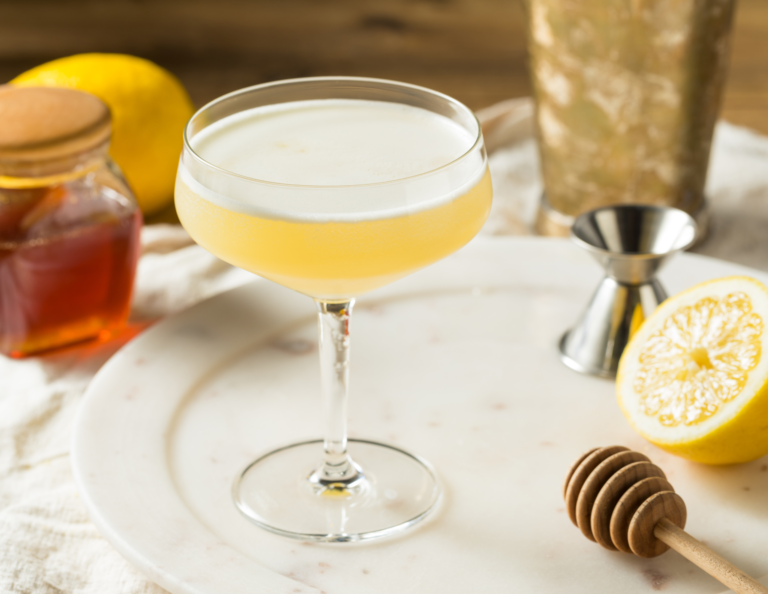
This classic fizz structure uses elderflower as the botanical note, delivered through either a cordial you can grab from any UK supermarket or an elderflower liqueur like St-Germain that’s common in US and larger UK retailers. The floral sweetness of elderflower pairs beautifully with gin’s juniper and citrus botanicals, creating a drink that feels elegant without any fussiness.
Ingredients
- 50ml London dry gin (or 1½ oz): A quality London dry gin provides the juniper-forward base that lets elderflower shine. Tanqueray or Hendrick’s work brilliantly here.
- 25ml elderflower cordial or 15ml elderflower liqueur: Belvoir or Bottle Green cordials are easy to find in UK supermarkets, whilst St-Germain or similar elderflower liqueurs are your US go-to. The liqueur is more concentrated, hence the smaller measure.
- 20ml fresh lemon juice (or ¾ oz): Fresh lemon juice is essential—bottled just won’t give you the same bright, clean tartness that balances the floral sweetness.
- 75-100ml chilled soda water (3-4 oz): Top with chilled soda to add effervescence and turn this into a tall, refreshing highball.
Instructions
Add gin, elderflower cordial or liqueur, and lemon juice to a cocktail shaker filled with ice. Shake briefly until the shaker feels cold to the touch—about 10-15 seconds.
Strain into a highball glass filled with ice and top with chilled soda water. Give it a gentle stir to combine.
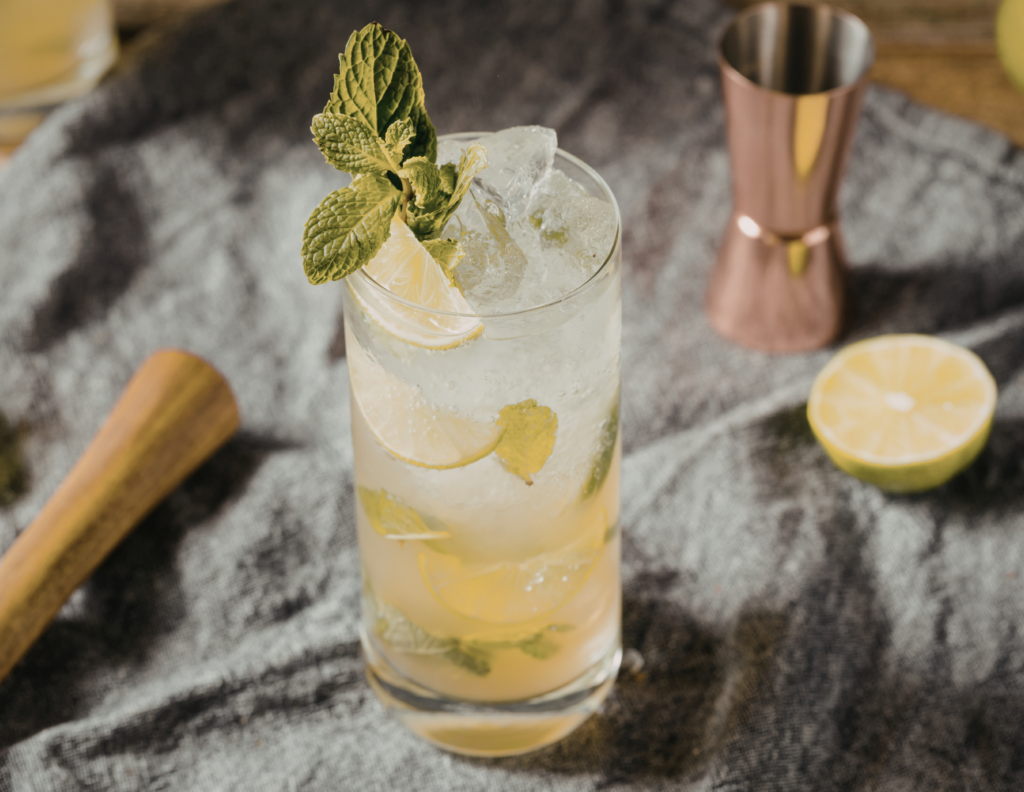
Garnish with a lemon wheel and, if you’re feeling fancy, a sprig of fresh mint or edible flowers. The garnish isn’t just for show—it adds a lovely aroma as you sip.
Botanical Twist
Elderflower cordial brings honeyed, grape-like sweetness with subtle floral notes. If you can’t find elderflower products, swap for a light rose syrup or even a quality lavender cordial. You could also experiment with St-Germain’s cousin liqueurs like Italicus (which adds bergamot) for a more complex floral profile.
Lemongrass Vodka Cooler
This tall, refreshing cooler uses a simple lemongrass syrup that you’ll make once and use all week. Lemongrass brings bright citrus notes with a distinctive grassy, almost ginger-like quality that pairs perfectly with vodka’s clean neutrality and the spice of ginger beer.
Making Lemongrass Syrup (One Batch, Multiple Drinks)
Combine equal parts sugar and water in a small saucepan—1 cup of each works well for multiple drinks. Add 2-3 stalks of fresh lemongrass, roughly chopped (bash them with the side of a knife first to release the oils).
Bring to a simmer and cook for 5-10 minutes until the sugar dissolves and the syrup takes on a pale yellow tinge. Remove from heat, cool completely, then strain out the lemongrass pieces. This syrup keeps in the fridge for about a week in a sealed jar.
Cocktail Ingredients
- 50ml vodka (or 1½-2 oz): A mid-range vodka works perfectly here since the lemongrass and ginger beer provide most of the flavour character.
- 20ml lemongrass syrup (¾ oz): Start with this amount and adjust to taste—some lemongrass is more potent than others.
- 20ml fresh lemon or lime juice (¾ oz): Lime works especially well with lemongrass if you want a more Asian-inspired profile.
- 100-120ml ginger beer or soda water (4 oz): Ginger beer adds spice and complexity, whilst soda keeps it lighter and more refreshing.
Instructions
Add vodka, lemongrass syrup, and citrus juice to a cocktail shaker filled with ice. Shake vigorously until the shaker is frosted and very cold—about 15 seconds.
Strain into a highball glass filled with ice. Top with ginger beer or soda water depending on your preference.
Garnish with a lemongrass stalk (use the reserved top part from your syrup prep) or a citrus wheel. The lemongrass stalk releases more aroma as the ice melts, intensifying the botanical character as you drink.
Botanical Twist
Lemongrass is now common in large UK supermarkets (Tesco, Sainsbury’s, Waitrose) and US grocery chains like Whole Foods or Trader Joe’s. If you can’t find it, swap for lemon verbena or fresh basil in your syrup—both create entirely different but equally delicious botanical profiles. Fresh basil gives you a herbaceous, almost peppery drink, whilst lemon verbena delivers pure, clean lemon flavour.
Blood Orange Tequila Highball
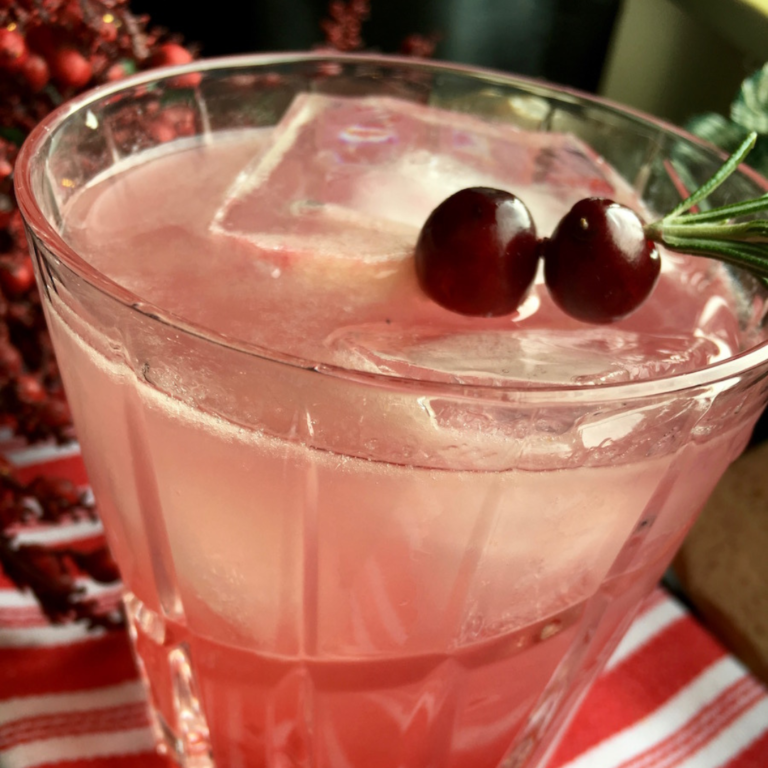
This Paloma-style highball showcases blood orange’s distinctive berry-like citrus flavour through both fresh juice and a quick citrus syrup. The result is a gorgeous ruby-pink drink that tastes as stunning as it looks.

Making Blood Orange or Lime Syrup
Heat equal parts citrus juice (blood orange or lime) and sugar in a small saucepan until the sugar dissolves completely. Remove from heat and cool. This syrup is less concentrated than the lemongrass version, so it adds sweetness without overwhelming the fresh juice you’ll add to the cocktail.
Cocktail Ingredients
- 50ml blanco or reposado tequila (1½-2 oz): Blanco tequila lets the blood orange shine, whilst reposado adds gentle oak notes for more complexity.
- 60-90ml fresh blood orange juice (2-3 oz): Fresh is best, but quality bottled blood orange juice works outside of winter season (roughly January-April in most regions).
- 15-20ml citrus syrup (½-¾ oz): Use blood orange syrup if you made it, or lime syrup for a Paloma-style tartness.
- 75-100ml soda water or light ginger ale (3-4 oz): Soda keeps it clean and crisp, whilst ginger ale adds a hint of spice.
Instructions
Add tequila, blood orange juice, and citrus syrup to a cocktail shaker filled with ice. Shake well until thoroughly chilled—about 15 seconds.
Strain into a highball glass filled with ice and top with soda water or ginger ale. Stir gently to combine.
Garnish with a blood orange wheel. For a proper Paloma nod, rim half the glass with chilli salt before building the drink—the savoury-spicy element works beautifully with blood orange’s berry notes.
Botanical Twist
Blood oranges are seasonal (winter months), but you can substitute with quality not-from-concentrate orange juice plus a dash of pink grapefruit juice to mimic that slight tartness. Outside of season, try regular orange juice with a splash of cranberry for colour and tartness, or experiment with pink grapefruit for a more classic Paloma profile.
Recipe Tips
- Chill your glassware: Pop your highball glasses in the freezer for 10 minutes before making these drinks. Cold glass means your cocktails stay colder longer, and the ice melts more slowly.
- Fresh citrus is non-negotiable: Bottled lemon or lime juice tastes flat and synthetic compared to fresh. A £3 citrus juicer pays for itself in a single batch of cocktails.
- Ice quality matters: Large ice cubes melt slower and dilute your drink less. If you only have standard ice cube trays, fill your glass generously so there’s less room for melting.
- Batch the non-fizzy bits: For parties, pre-mix the spirit, botanical element, and citrus juice in a jug. Store chilled, then pour over ice and top with fizz as guests arrive.
- Adjust sweetness to taste: All three recipes offer a sweetness range. Start with the lower amount of syrup or cordial, taste, and add more if needed. You can always add sweetness but you can’t remove it.

Substitutions and Additions
- Swap the spirits: Each botanical works across multiple base spirits. Try elderflower with vodka for a lighter drink, lemongrass with white rum for tropical vibes, or blood orange with gin for a floral-citrus combination.
- Change the fizz: Club soda is classic, but tonic water adds bitterness and quinine character, ginger beer brings spice, and even Prosecco works for a celebratory twist on the elderflower fizz.
- Adjust the botanicals: Can’t find lemongrass? Use fresh ginger in your syrup instead. No blood oranges? Pink grapefruit, regular oranges with a splash of pomegranate, or even tangerine juice all work.
- Add herbs: Fresh basil pairs beautifully with lemongrass, rosemary complements elderflower, and mint works with blood orange. Gently clap the herb between your hands before adding to release the oils.
- Make them stronger: Each of these can handle an extra 15-25ml of spirit if you prefer a boozier drink. Adjust the fizz accordingly to maintain the same overall volume.
Serving Suggestions
These botanical cocktails work brilliantly as aperitifs before dinner. The elderflower gin fizz is particularly lovely before lighter meals like seafood or spring salads. The lemongrass vodka cooler makes a fantastic pairing with Asian cuisine—try it alongside Thai curries, Vietnamese pho, or Chinese stir-fries where the lemongrass echoes the food’s aromatic profile.
The blood orange tequila highball begs for Mexican-inspired food. It’s perfect with tacos, ceviche, or spicy grilled meats. If you’re looking for more tequila cocktail ideas, our guide covers everything from classic margaritas to creative modern drinks.
For a complete spring or summer cocktail menu, pair the elderflower gin fizz with our collection of spring cocktails that showcase seasonal ingredients. The botanical character makes these drinks especially suited to garden parties, outdoor brunches, or sunset drinks on the patio.
Storage & Reheating
The syrups are the only components you’ll store. Lemongrass syrup keeps for about one week in the fridge in a sealed jar or bottle. Blood orange or lime syrup lasts slightly longer—up to 10 days—because citrus is naturally acidic. Label your syrups with the date you made them.
Elderflower cordial from the supermarket lasts for months unopened and several weeks once opened if refrigerated. St-Germain and other elderflower liqueurs are shelf-stable and last indefinitely.
Never pre-make the complete cocktails. The carbonation will go flat, the ice will melt and dilute everything, and the fresh citrus will oxidize and taste dull. Always mix these drinks fresh, though you can pre-measure the spirits, syrups, and citrus into individual portions and refrigerate for quick assembly.
Recipe FAQ
Can I make these cocktails without a cocktail shaker?
Yes, absolutely. Use a large jar with a tight-fitting lid (like a mason jar) to shake the ingredients with ice. Alternatively, stir everything together in the glass with ice, though shaking does create better dilution and temperature.
What’s the difference between cordial and liqueur?
Cordials are non-alcoholic concentrated syrups, whilst liqueurs contain alcohol. For the elderflower fizz, you’ll need more cordial (25ml) than liqueur (15ml) because cordial is less concentrated. The liqueur version will have a slightly higher ABV but both taste similarly floral.
How do I know if my lemongrass is fresh enough?
Fresh lemongrass should feel firm, not dried out or crumbly. The bulb end should be pale yellow-green, and the stalks should have a strong citrusy aroma when you cut into them. If it smells musty or feels limp, it’s past its best.
Can I make these drinks in advance for a party?
Pre-mix everything except the fizz and store in the fridge for up to 4 hours. This works brilliantly for parties—just pour the pre-mixed base over ice and top with soda, ginger beer, or your chosen fizz as guests arrive. This method actually improves flavour integration.
What if I can’t find blood oranges?
Blood oranges are seasonal (winter months, roughly January through April). Outside of season, use regular orange juice with a splash of pink grapefruit or pomegranate juice to add that characteristic tartness and colour. The drink won’t taste identical but will still be delicious.
Are these cocktails strong?
Each contains a standard 50ml (1½-2 oz) spirit measure, which is typical for a highball-style drink. They’re refreshing and easy-drinking, not spirit-forward like a martini. If you prefer lighter drinks, reduce the spirit to 35-40ml and increase the fizz slightly.