
As an Amazon Associate I earn from qualifying purchases and sometimes recommend products from other sellers at no extra cost you. For more details see my disclosure policy and privacy policy.
Ready to embark on a flavor-packed journey? We’re diving into the vibrant world of Cuban cocktails and drinks, where every sip tells a story. From the classic Mojito to the lesser-known Canchánchara, we’ll uncover the magic behind these iconic recipes. So pull up a seat, pour yourself a drink, and let’s savor the spirit of Cuba together. Cheers to an adventure that’s as intoxicating as the cocktails themselves!
Contents
Cuban Cocktails and Drinks
Cuban cocktails have a rich history that’s deeply rooted in the island’s culture and its past. The Caribbean island is known for being the birthplace of several iconic cocktails such as the Mojito, the Cuba Libre, and the Daiquiri.
The Cuba Libre, meaning “Free Cuba,” is one of the most popular Cuban cocktails. It’s a simple yet delightful combination of rum, Coke, and lime. This drink is believed to have been invented during the Cuban Revolution, a time of great upheaval and change in Cuba.

Another traditional Cuban cocktail is the Mojito. This drink came to eastern Cuba as a medicinal remedy used by Cuban soldiers fighting for independence against Spain in the late 1800s. The Saoco, made with coconut water and rum, is another traditional Cuban drink.
The Daiquiri is another classic cocktail that originated in Cuba. It’s a simple mix of rum, citrus (usually lime), and sugar. The Old Cuban cocktail, which was created by Audrey Saunders in 2001, is a cross between a French 75 and a Mojito.
Cuba’s cocktail culture is not just about these well-known drinks. There were also other local favorites like the Ideal (essentially a grapefruit Bronx) and the Jai Alai (a mix of gin, vermouth, and seltzer).
In conclusion, Cuba’s cocktail history is a fascinating blend of traditional recipes, innovation, and cultural influences. These cocktails are not just drinks, but a reflection of Cuba’s vibrant history and culture.
The Art of Cuban Mixology
Cuban mixology is known for its unique elements that have made it an integral part of the global cocktail history. The foundation of Cuban mixology lies in the country’s famous rum, with about 12 distilleries producing around 60 different brands of rum. This rum often serves as the base spirit for most Cuban cocktails.
One of the iconic Cuban cocktails is the Cuba Libre, a blend of lime, cola, and rum. Originated in the early 1900s, this drink has been delighting palates for over a century with its nuanced flavors. Another classic is the Mojito, which combines rum, mint, lime juice, sugar, and soda water to create a refreshing and balanced beverage.
The Daiquiri, traditionally made with lime juice, sugar, and rum, is another cocktail that showcases the simplicity and elegance of Cuban mixology. The Hemingway Daiquiri, named after the famous author Ernest Hemingway who lived in Havana, is a variation of the classic Daiquiri with the addition of grapefruit juice and Maraschino liqueur.

Another unique element in Cuban mixology is the use of indigenous ingredients. For instance, the Bumbo cocktail includes a combination of rum, sugar, water, and native spices like nutmeg or cinnamon. Additional ingredients might include coconut, reflecting the tropical environment of Cuba.
Innovation also plays a significant role in Cuban mixology. The Old Cuban, for example, is a bubbly drink that tastes like a tart, sweet citrus soda. It is made with fresh lime juice, mint leaves, sugar, sparkling wine, and rum. Similarly, the Cuban Old Fashioned puts a unique twist on the classic cocktail by incorporating Cuban coffee, bitters, and bourbon.
In summary, Cuban mixology is defined by its use of local rum, incorporation of indigenous ingredients, balance of flavors, and innovative twists on classic recipes.
Decoding the Classic Cuban Cocktails
Mojito
The Mojito is a classic highball drink that originated in Cuba and uses ingredients indigenous to the country, including rum. The cocktail is typically served in a highball glass with muddled mint at the bottom, lots of ice, and a garnish of fresh mint and a lime wedge.
Here’s a simple recipe for making a Mojito:
- 3 mint leaves
- 1/2 ounce simple syrup
- 2 ounces white rum
- 3/4 ounce freshly squeezed lime juice
- Club soda, to top
- Garnish: mint sprig
- Garnish: lime wedge
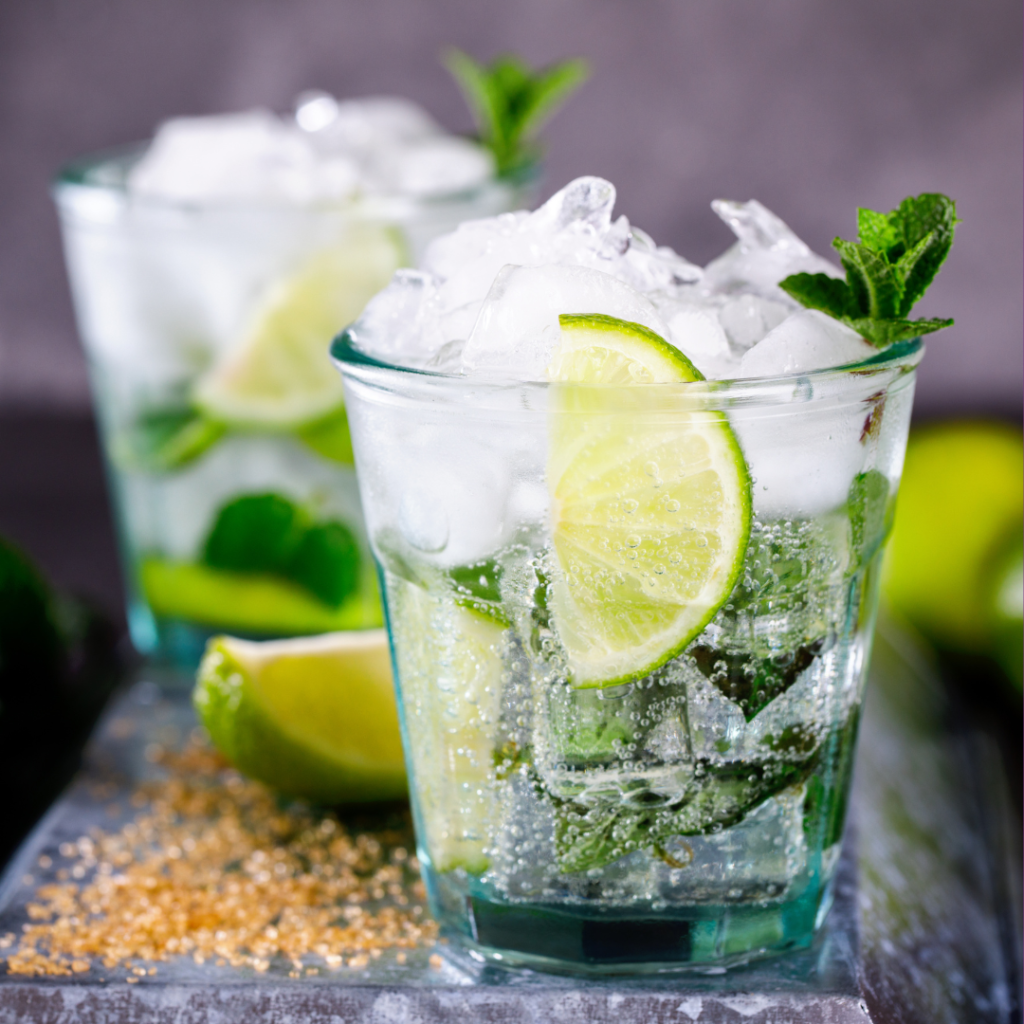
The Mojito is a refreshing cocktail that tastes minty-fresh, citrusy, and a little sweet. It’s perfect for cooling off in the summer.
As for pairing suggestions, a light snack like chips and guacamole or salsa pairs well with a Mojito. For a more substantial meal, consider a citrus-marinated grilled fish or chicken. The sweetness of the rum and the citrus in the Mojito will complement the flavors in the marinade.
Despite its popularity, you might find some bars reluctant to serve Mojitos. This could be due to various reasons such as lack of ingredients, the time it takes to make the cocktail, or simply because it’s considered out of fashion. However, the primary reason bartenders may not want to make a Mojito is because the process can be messy and time-consuming.
Cuba Libre
The Cuba Libre cocktail has a rich history that dates back to the Spanish-American War, around 1900, in Havana, after Cuban independence was achieved. The name of the drink, Cuba Libre, which translates to “Free Cuba,” was also the battle cry of the Cuban Liberation Army.
Interestingly, during the Ten Years War from 1868-1878, fighters were known to sip a similar drink, dubbed Cuba Libre, which was believed to be a mix of honey or possibly molasses and water. It’s likely that rum was also part of this early recipe.
As for the classic Cuba Libre cocktail we know today, it is a highball cocktail consisting of cola, rum, and lime juice, served on ice. Traditionally, the cola ingredient is Coca-Cola, and the alcohol is a light rum such as Bacardi .
To prepare a Cuba Libre cocktail, you would need the following ingredients:
- 40ml Light Rum
- 10ml fresh lime juice
- Cola to top up
- Lime slice for garnish
Fill a glass with ice cubes. Pour the rum and lime juice into the glass. Top up with cola. Garnish with a lime slice. Enjoy your Cuba Libre!
Remember, what differentiates a Cuba Libre from a regular Rum and Coke is the addition of lime juice.
So, whether you’re sipping this cocktail on a hot summer’s day or serving it at a gathering with friends, the Cuba Libre is more than just a refreshing beverage, it’s a toast to freedom and camaraderie.
Daiquiri
The Daiquiri cocktail has a rich history dating back to the late 19th century. It was supposedly invented in 1898 by an American mining engineer named Jennings Cox in the town of Daiquiri, located on the southeastern tip of Cuba. The cocktail is closely related to the Canchanchara, a 19th-century Cuban blend of aquardiente de caña (a type of rum), lime, honey, and water.
The classic recipe for a Daiquiri cocktail involves rum, lime juice, and demerara sugar syrup. To prepare it, you add these ingredients to a shaker with ice, and shake until well-chilled. Then, strain the mixture into a chilled coupe. You can garnish the cocktail with a lime twist.
An interesting historical variant of the Daiquiri recipe from a 1915 bartender’s manual published in Havana, Cuba includes Curaçao along with rum. Another version uses 2 ounces of rum, a spoonful of sugar, a teaspoon of Maraschino, the juice of half a lime, and cracked ice.
In terms of serving suggestions, a Daiquiri is typically served in a Coupe glass, although a Martini glass can also work. It is usually garnished with a lime wheel.
Regardless of the specific recipe or serving method you choose, the Daiquiri remains a beloved cocktail worldwide, known for its refreshing taste and unique Cuban heritage.
Exploring Lesser Known Cuban Drinks
Canchánchara
Canchánchara is known as the oldest cocktail in Cuba, even predating classics like the Daiquiri and Mojito. It originated from the colonial town of Trinidad and was invented by guerilla fighters during the 10 Years War of Cuban Independence.
The traditional recipe for Canchánchara is simple but invigorating. It involves combining rum, lime, honey, and ice. Here’s a more detailed recipe:
- 1 tablespoon honey
- 1 tablespoon hot water
- 1 tablespoon fresh lime juice
- 3 ounces añejo rum (preferably Havana Club)
- Ice
- Lime for garnish
To prepare the Canchánchara, start by dissolving the honey in hot water to create a syrup. Once the syrup cools down, mix it with the lime juice and rum. Pour this mixture over ice, stir well, and garnish with a lime slice.
Canchánchara is best served in a clay pot or a short tumbler to keep it cool and enhance its rustic appeal. Its sharp, sweet, and exceptional taste has made it a beloved drink in Cuba and beyond.
Despite the popularity of other Cuban cocktails like the Mojito, the Canchánchara holds a special place in Cuba’s cocktail history due to its age and its symbolic ties to the country’s fight for independence.
El Presidente
The El Presidente cocktail is a Cuban alcoholic drink made of rum, orange curaçao, vermouth, and grenadine. The original recipe calls for blanc vermouth. It hails from Cuba and was created in the early 1900s, likely named for President Mario García Menocal, who ran the country at that time. The exact origin is unknown, but according to Esquire magazine, El Presidente was created by Eddie Woelke, an American bartender at the Jockey Club in Havana.
Historically, it’s thought to have been created in the mid-1910s in Havana, Cuba. The drink was first invented in Havana during the 1910s for Cuban President Mario García. The El Presidente cocktail recipe is a slightly sweet rum cocktail served up and made in the 1920s.

As for the alcohol content, it would depend on the specific proportions used in the mix, but for reference, a typical Mexican brandy version of El Presidente has been aged for more than three years in white oak barrels, and it is the top-selling spirit in Mexico, along with being one of the best selling brandies in the world.
When it comes to popular Cuban drinks, the Daiquiri is a classic. It’s a family of rum cocktails made with white rum, citrus juice (usually lime), and a sweetener.
Please note that while I strive to provide accurate and up-to-date information, it’s always a good idea to cross-reference with other sources or consult a professional bartender for the most accurate cocktail recipes.
Making Cuban Coffee: Beyond the Cocktail
Coffee holds a significant role in Cuban culture, serving not only as a popular beverage but also as a symbol of unity and social interaction. The island’s coffee culture as we know it today took shape in the decades following the Cuban Revolution, becoming a source of unity for the people.

In economic terms, coffee grew to match sugar in the mid-19th century, being cultivated predominantly on plantations in Cuba’s mountainous regions. The first coffee plant in Cuba dates back to 1748, but coffee farming as an industry didn’t take off until 1790.
Socially, coffee is often thought of as a vehicle to bring people together, forming a huge part of daily life in Cuba. It’s common to offer coffee to guests when they visit homes before offering them a swig of rum. Moreover, socializing with family and friends over a cup of coffee is a traditional part of the experience, giving coffee culture in Cuba a relaxed, social vibe.
In terms of tradition, the iconic Cuban coffee has emerged as a symbol of the nation’s endurance. In Cuba, coffee is a daily part of the relaxed island culture, where a hot cup is celebrated as a way to bring friends together.
Overall, whether it be for energy, socialization, or tradition, the cultivation and consumption of coffee have served as a motivating force in Cuba.
Tips to Enjoy Cuban Drinks Like a Local
Cuban drinks are a delightful fusion of flavors, offering a unique experience to your taste buds. Here are some tips on how to enjoy them like a local:
- Start with the Classics: Begin your Cuban drink journey with traditional favorites like Mojito, Cuba Libre, and Daiquiri. These are staple cocktails in Cuba that locals love.
- Savor Slowly: Cuban drinks are meant to be savored, not gulped down. Take small sips, allowing yourself to enjoy the distinct flavors.
- Pair Wisely: Pair your drinks with authentic Cuban food for a complete experience. For instance, Mojito pairs well with seafood, while a Cuba Libre complements spicy dishes.
- Mix Your Own Drinks: Cubans often make their own drinks at home. Try mixing your own cocktails to get a feel for the balance of flavors.
- Use Fresh Ingredients: The key to a great Cuban drink is using fresh ingredients. Make sure your lime juice is freshly squeezed and your mint leaves are fresh.
- Enjoy the Atmosphere: Cuban drinks are best enjoyed in a relaxed atmosphere. Whether you’re at a beach, a local bar, or at home, take the time to relax and enjoy your drink.
- Try Local Variations: Every region in Cuba has its own variations of the classic drinks. Don’t be afraid to try these local twists.
Here are some pairing suggestions with Cuban dishes:
- Mojito and Seafood: The citrusy flavor of a Mojito pairs excellently with the delicate flavors of seafood dishes like Shrimp in Garlic Sauce (Camarones al Ajillo).
- Cuba Libre and Ropa Vieja: The sweetness of a Cuba Libre provides a nice contrast to the savory and slightly spicy flavor of Ropa Vieja, a classic Cuban dish.
- Daiquiri and Cuban Sandwich: The tangy Daiquiri cuts through the richness of a Cuban sandwich, making for a balanced meal.
Remember, the most important part of enjoying Cuban drinks like a local is to have fun and enjoy the experience! Salud!
Conclusion
In conclusion, Cuban drinks are a vibrant blend of unique flavors and experiences that are steeped in the country’s rich cultural heritage. From the rum-infused warmth of the Mojito to the refreshing zest of the Cuba Libre, each beverage tells a story of its own, offering a taste of Cuba’s tropical paradise.
The traditional Cuban coffee, Café Cubano, is a testament to the nation’s love for strong, intense flavors, while Batido de Mamey showcases the island’s bountiful produce in a creamy, delightful smoothie. The Daiquiri, with its simple yet elegant composition, is a reminder of Cuba’s timeless appeal in the world of cocktails.
What makes these drinks truly special is not just their distinctive taste, but also the experience of creating them. Every stir, shake, and pour is an opportunity to engage with a piece of Cuban culture. By making these beverages at home, you’re not just preparing a drink; you’re participating in a tradition that has been passed down through generations.
So, don’t be afraid to experiment. Try new ingredients, adjust the measurements, or even come up with your own Cuban-inspired concoction. After all, the beauty of these Cuban beverages lies in their ability to evolve and adapt, much like the spirited island nation they originate from.
Remember, every cocktail you create is a celebration of Cuban culture, a tribute to its history, and most importantly, a toast to the joy of discovery. So, here’s to experimenting, enjoying, and savoring the unique flavors of Cuban drinks in the comfort of your own home.


