
As an Amazon Associate I earn from qualifying purchases and sometimes recommend products from other sellers at no extra cost you. For more details see my disclosure policy and privacy policy.
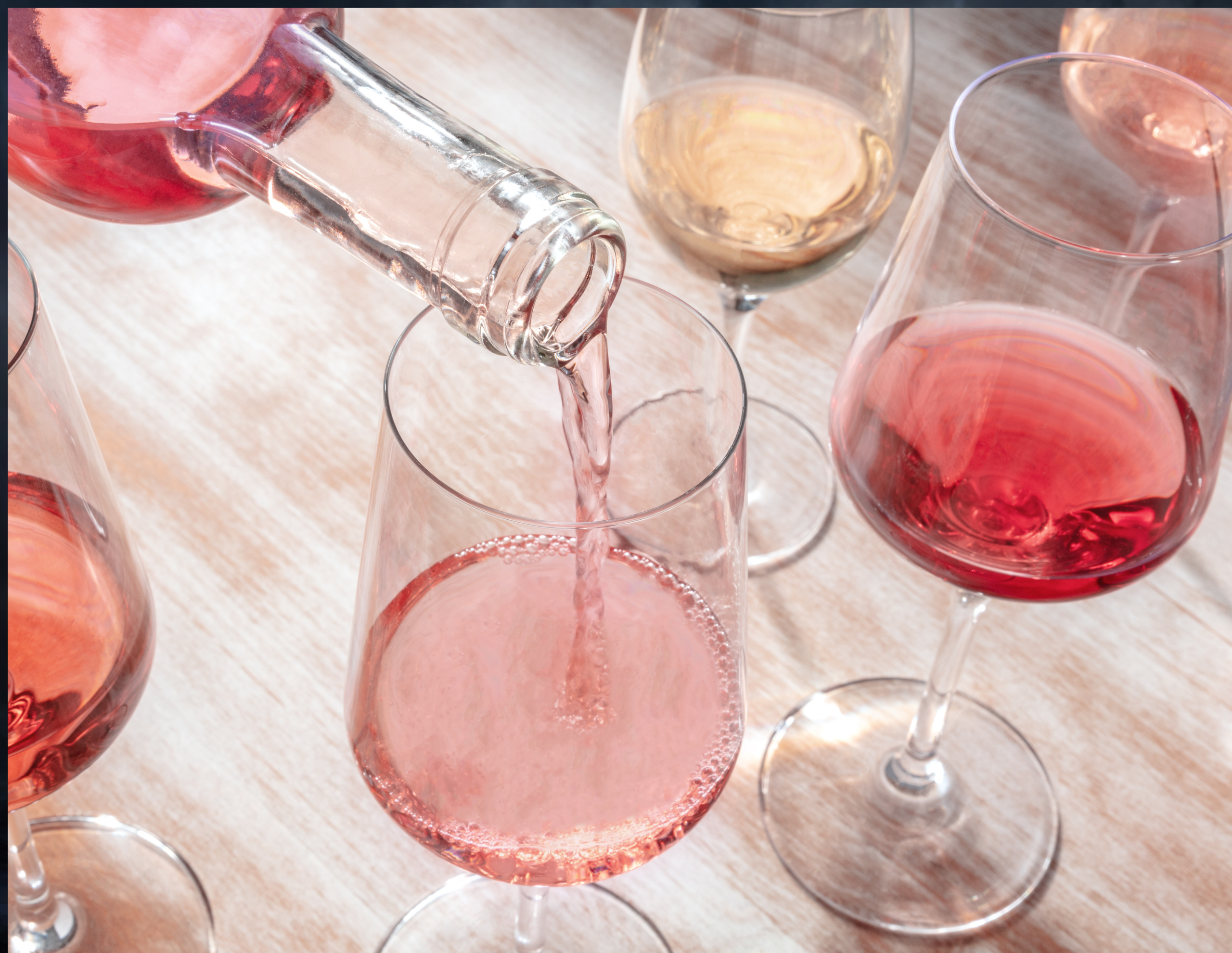
Rosé wine, often recognized by its beautiful pink hue, has a rich history and burgeoning popularity that spans the globe. Rooted deeply in ancient winemaking traditions, rosé has recently experienced a renaissance, attracting a new generation of wine enthusiasts. Its appeal lies in its versatility, approachable flavor profile, and the sheer joy it brings to any occasion.
Historically, rosé wines have been produced in regions like Provence in France, known for its dry and crisp varieties, but the style has now expanded to virtually every wine-producing country. As wine lovers continue to explore and appreciate the diversity of rosé, it’s become a staple on wine lists worldwide, celebrated for its refreshing qualities and the sense of celebration it embodies.

Contents
What Makes Rosé Different
Understanding what sets rosé apart from other wines begins with the winemaking process. Unlike red wine, which ferments with grape skins for an extended period, and white wine, which typically avoids skin contact altogether, rosé strikes a balance. It achieves its color and unique characteristics through limited contact with grape skins, usually anywhere from a few hours to a couple of days.
This brief interaction allows rosé to extract just enough of the pigments and flavors from the skins without becoming overly tannic or bold like a red wine. The result is a wine that marries some of the best aspects of both red and white wines—boasting a fruity, floral aroma and a taste profile that ranges from light and refreshing to rich and complex, depending on the specific winemaking techniques employed.
Types of Rosé
One of the joys of exploring rosé wine is the variety of styles available. Here’s a breakdown of the main types:
- Dry Rosé: Predominantly produced in regions like Provence, these wines are crisp and refreshing, often with flavors of strawberry, melon, and citrus. They are perfect for those who prefer a less sweet wine.
- Sweet Rosé: These wines offer a sweeter taste, making them ideal for those who enjoy fruit-forward flavors. They typically present notes of red berries, cherries, and sometimes tropical fruits.
- Still Rosé: The most common style, still rosé, is non-carbonated and comes in both dry and sweet varieties. It’s versatile and widely appreciated for its straightforward expression of the grape.
- Sparkling Rosé: Adding a festive touch, sparkling rosé combines the effervescence of sparkling wine with the delightful flavors of rosé. These wines can be either dry or sweet and are perfect for celebrations.

Where Rosé Wine Comes From
Rosé wine is crafted in many regions across the globe, each contributing its distinctive flair based on local winemaking practices and grape varieties. Here are some prominent rosé-producing areas:
Provence, France
Provence is perhaps the most renowned region for rosé wine. Known for its dry, pale pink wines, Provence rosé stands out with delicate flavors of red berries, melon, and citrus, often accompanied by a refreshing acidity and subtle minerality.
Tavel, France
Situated in the Rhône Valley, Tavel specializes exclusively in rosé wine. These rosés are typically more robust and full-bodied compared to those from Provence, exhibiting a deeper color and complex flavors of ripe red fruits, spice, and earthy undertones.
Spain
Spain, particularly the Navarra and Rioja regions, produces rosado wines, their version of rosé. Spanish rosés range from light and fruity to more robust, often featuring flavors of strawberries, cherries, and sometimes hints of herbs and spice.
Italy
Italian rosatos are another exciting expression of rosé wine. Regions like Puglia and Tuscany are known for their vibrant and diverse styles. These wines often present flavors of red cherries, rhubarb, and floral notes, offering both dry and slightly sweet options.
United States
In the United States, particularly California, rosé wine has seen significant growth. Winemakers here produce a variety of styles, from bone-dry to slightly sweet, using an array of grape varieties like Pinot Noir, Grenache, and Zinfandel, resulting in flavors ranging from fresh berries to tropical fruits.
Other Regions
Rosé wine production has expanded globally, with regions like Australia, South Africa, and Chile also making commendable contributions. Each region brings its unique touch, influenced by the local terroir and winemaking traditions, adding to the rich tapestry of rosé wine options available.
Understanding the origins of rosé wine enhances the appreciation of its diversity and the unique qualities that each region brings to this beloved wine style.
How to Choose Rosé
Selecting the right rosé can be an enjoyable adventure for beginners. Here are some tips to help you find the perfect bottle:
- Consider the Occasion: Consider when and where you’ll enjoy your rosé. A dry, crisp rosé might be perfect for a sunny afternoon picnic, while a sweeter variety could complement a dessert course at a dinner party.
- Taste Preferences: Reflect on your current wine preferences. Do you enjoy a Sauvignon Blanc’s acidity or a Moscato’s fruitiness? Use these preferences as a guide when choosing your rosé.
- Read the Label: Labels often provide helpful information about the wine’s flavor profile and sweetness level. Look for descriptions that match your taste preferences.
- Ask for Recommendations: Don’t hesitate to ask for advice from wine shop staff or sommeliers. They can offer valuable insights and suggestions based on your tastes and needs.

The Most Popular Types of Rosé Wine
Exploring the world of rosé wine involves understanding the characteristics that make certain types stand out. Here are some of the most popular types of rosé wine that enthusiasts frequently enjoy:
Grenache Rosé
Grenache-based rosé wines are highly popular, especially in regions like Provence and Spain. These wines are usually dry and exhibit a delightful array of flavors, including strawberries, raspberries, and subtle spice notes. The light, refreshing taste makes Grenache rosé a go-to choice for many.
Pinot Noir Rosé
Pinot Noir rosé is well-loved for its delicate and refined taste profile. Commonly produced in the United States and France, this rosé offers elegant flavors of red cherries, strawberries, and floral hints. It’s often enjoyed for its smooth texture and balanced acidity.
Syrah Rosé
Syrah rosé, or Shiraz rosé in Australia, tends to be richer and more robust compared to other rosés. These wines often showcase deeper colors and flavors of red berries, plums, and a hint of pepper or spice. They can be an excellent choice for those seeking a fuller-bodied rosé experience.
Zinfandel Rosé (White Zinfandel)
Zinfandel rosé, commonly known as White Zinfandel, is a popular sweet rosé option mainly produced in California. It typically features flavors of ripe strawberries, raspberries, and melon, accompanied by a touch of sweetness. This type appeals to those who prefer a fruitier, sweeter wine.
Sangiovese Rosé
Hailing from Italy, Sangiovese rosé is known for its vibrant acidity and fresh flavors. These wines often present notes of red cherries, watermelon, and a hint of herbs, making them a refreshing and versatile option for various occasions.
Mourvèdre Rosé
Mourvèdre rosé, prominent in regions like Bandol, France, offers a complex and structured profile. These wines are usually dry and exhibit flavors of red and black fruits, along with earthy and spicy undertones. They are perfect for those who appreciate a more nuanced rosé.
Tempranillo Rosé
Commonly produced in Spain, Tempranillo rosé wines offer a delightful blend of fruitiness and subtle tannins. These rosés often display flavors of strawberries, cherries, and sometimes a touch of vanilla or spice, providing an enjoyable and balanced tasting experience.
Understanding these popular types of rosé wine can help you make more informed choices and deepen your appreciation for this versatile and delightful wine style.
Serving and Pairing Rosé
Serving rosé at the right temperature and pairing it with complementary foods can elevate your wine experience. Here are some guidelines:
Serving Rosé
- Temperature: Rosé is best served chilled, typically between 45-55°F (7-13°C). This temperature range helps to maintain its refreshing qualities.
- Glassware: Use a wine glass with a slightly tapered bowl to concentrate the aromas without overwhelming the palate.
Pairing Rosé
- Appetizers: Dry rosé pairs wonderfully with light appetizers such as bruschetta, salads, and grilled vegetables.
- Main Courses: For heartier dishes, consider pairing rosé with grilled seafood, chicken, or pork. The acidity and fruitiness of rosé complement these dishes beautifully.
- Cheese: Soft cheeses like brie and goat cheese make excellent companions to rosé, enhancing both the wine and the food flavors.

Health Benefits of Rosé
Moderate consumption of rosé wine can offer several potential health benefits, similar to those associated with red and white wines. Studies suggest that the antioxidants found in rosé, particularly polyphenols, can contribute to heart health by reducing inflammation and improving cholesterol levels. Additionally, its lighter alcohol content compared to many red wines makes it a suitable option for those looking to enjoy a drink without overindulging.
However, it’s important to enjoy rosé responsibly and as part of a balanced diet. Always consult with a healthcare professional regarding the health implications of alcohol consumption.
Myths and Facts
Let’s debunk some common myths about rosé to clear up any misconceptions:
- Myth: Rosé is just a mix of red and white wine.
Fact: Quality rosé is crafted through a deliberate winemaking process, not simply by blending red and white wines.
- Myth: Rosé is only for summer.
Fact: While rosé is refreshing in warm weather, its versatility makes it suitable for enjoyment year-round.
- Myth: Only women drink rosé.
Fact: Rosé is enjoyed by all genders and is favored by wine enthusiasts worldwide for its diverse flavor profile.
Conclusion
Rosé wine offers an appealing introduction to the world of wine for beginners while also providing seasoned enthusiasts with endless opportunities for exploration. Its unique production process, varied styles, and suitability for different occasions make it a versatile choice. By understanding how to choose, serve, and pair rosé, you can enhance your appreciation and enjoyment of this delightful wine.


