
As an Amazon Associate I earn from qualifying purchases and sometimes recommend products from other sellers at no extra cost you. For more details see my disclosure policy and privacy policy.
One of the earliest drinks I remember having a little sip of was Cinzano – a type of vermouth that my mum was rather partial to in her pre-arthritis days. When I started to go out with friends for a drink, I would often enjoy a drink of Martini, the best-known vermouth. And then when I got into cocktails, I discovered vermouth cocktails. But until I started to write this post, I never knew that it is basically wine with other ingredients in it. So shall we get to know vermouth a little better, together?
Contents
What is vermouth?
According to Wine Folly, vermouth is an
‘aromatized wine that includes wine, botanicals, some sugar and spirits to fortify the wine’
The key part of it is those botanicals – herbs, spices, roots, and other elements that give it a unique flavour. This was also why it was popular as a healthy drink for many centuries as both an aperitif (before the meal) and digestive (after the meal).
There are three basics types of vermouth:
- Sweet – known as red or Rosso it is sweet and has a herb flavour, works well in a Manhattan and with bourbon, scotch, gin, and sparkling wines
- Dry – tart, with lots of herbs and floral flavours is used in the Dry Martini and works well with gin, vodka, Campari, chartreuse, and similar liqueurs
- Blanc – white or Bianco, this is the sweet white vermouth that is often drunk with soda and also works well with everything from gin and vodka to bourbon and sparkling wine
The Martini range was always three items, but they have recently expanded their range and there are now another two – a rose (Rosato) and a golden vermouth (d’Oro). If you are looking for the perfect vermouth, Martini is my favourite but there are lots of other vermouths available!
Basics of making vermouth
The basic rule for vermouth is that it has to be 75% wine, mostly white grapes. The rest is made up of either sugar or a grape juice mix known as mistelle, botanicals, and alcohol.
Companies don’t tell us what is in the drinks because it is their special recipe (think Coca-Cola and Pepsi) but the basic idea is to take wine, add sugar or mistelle, and add botanicals and alcohol until you get it to an ABV of 16-22%. This is why it is known as a ‘wine-based aperitif’ and is similar to the likes of Dubonnet and Byrrh.
The botanicals can vary between different manufacturers and that’s why different vermouths have different tastes. And why some cocktail recipes will even say a particular brand. Some of the most common ones to be used include liquorice, angelica root, citrus peels, lavender, oregano, marjoram, hyssop, ginger, coriander, clove, kefir lime, and vanilla.
You might also like Bailey’s Cocktails – Best Recipes for Irish Cream Liqueur! by The Cocktail Bird
How to drink it
That difference in the ingredients results in different tastes but there are four main components that create the taste of vermouth:
- Bitterness
- Sweetness
- Acidity
- Botanical profile
You can drink it on its own (I used to quite enjoy Martini Rosso just on its own) but most of the vermouths are better with something in them. A simple soda with a little lemon or orange twist is a simple way to get to know the taste of the vermouth before you start trying to experiment with vermouth cocktails.
Vermouth cocktails
Once you get to know the different types of vermouth, then you will definitely want to branch into vermouth cocktails. Some are as simple as vermouth and bitters while others are very recognisable. And there are always the ones that are a little different to try.
Vodka Martini
This may be one of the most famous cocktails around and is also a simple one to make. You need 1.5 parts vodka to ¼ part dry vermouth and a twist of lemon zest. Mix ingredients in a mixing glass, stir, and strain into a cocktail glass.
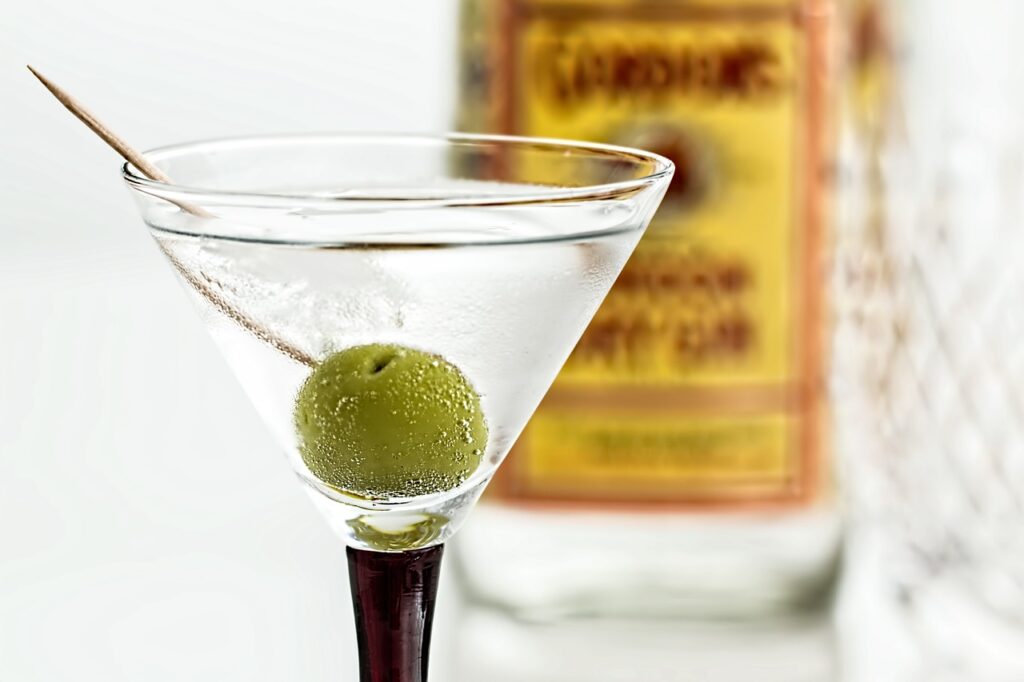
Dirty Martini
The Dirty Martini is another famous vermouth martini recipe that gets its name from the slight cloudiness of the drink due to the olive juice. It uses 1.5 parts gin to 1/3 part dry vermouth and ¼ part olive juice. Add everything to a mixing glass and stir then strain to a cocktail glass and add a green olive.
Tycoon
For something that looks the part of a Valentine cocktail, this drink has a gentle pink blush. It uses 1.5 parts gin to ½ part dry vermouth and a dash of bitters for the colour. Add to a mixing glass, stir, and strain then decorate with a green olive.
Pink Martini
There’s no surprise that the Pink Martini is pink! This one uses 1 1/3 parts vodka, 2/3 parts dry vermouth, and 4 dashes of orange bitters. Then add 2 teaspoons of grenadine for that pink blush. Add to a shaker with ice, shake, and strain into a cocktail glass.
Manhattan
This cocktail uses rye whiskey (2 parts) along with ½ part dry vermouth, ½ part sweet vermouth, and a dash of bitters. Add them to a mixing glass, stir and strain then decorate with a whole cherry and a twist of lemon zest.
Satan’s Whiskers
The name of this cocktail makes me laugh and it uses two different vermouths in it. You need:
- ½ part dry vermouth
- ½ part gin
- ½ part orange juice
- ½ part sweet vermouth
- ¼ part Triple Sec
- 1 dash of orange bitters
- 1 twist orange
Add ingredients to a shaker with ice and strain into a cocktail glass then garnish with the orange twist.
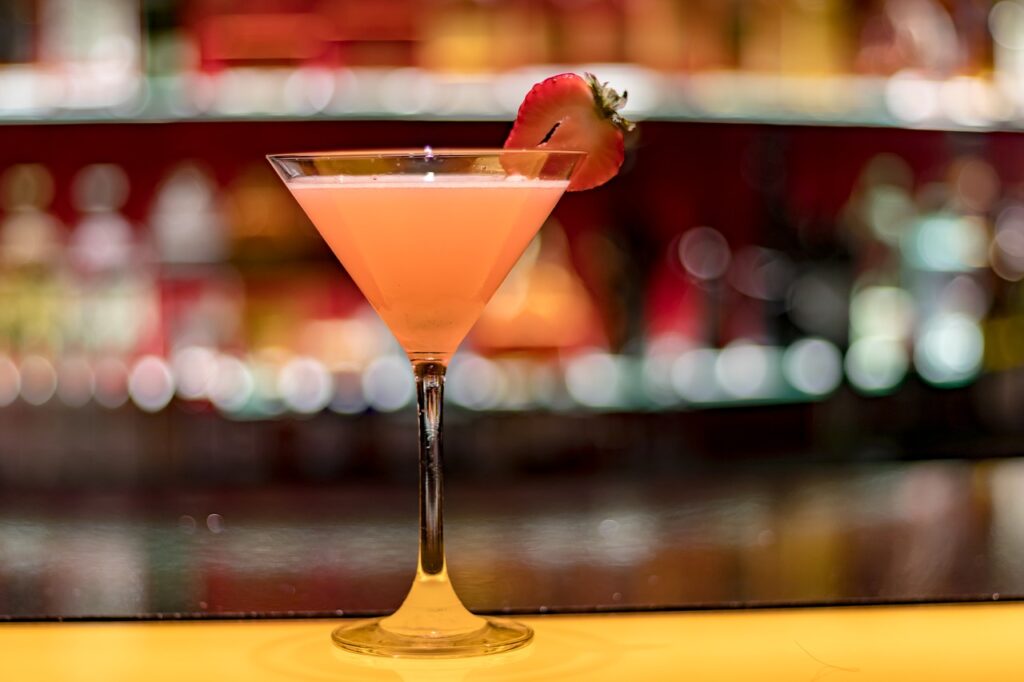
Bohemian cocktail
This cocktail works a bit like a Mai Tai when the grenadine settles to the bottom to create that two-tone style drink.
- 9 oz Dry vermouth
- 9 oz sweet vermouth
- 12 oz orange juice
- 6 oz cranberry juice
- 2 oz grenadine
Half fill each glass with ice and add the vermouth then the juices. Add the grenadine and let it settle to the bottle then add your favourite garnishes.
Tasty vermouth cocktails
There are actually loads of tasty vermouth cocktails to try that use mostly dry and sweet vermouth. Then all you need to do is decide which vermouth you want to use!