As an Amazon Associate I earn from qualifying purchases and sometimes recommend products from other sellers at no extra cost you. For more details see my disclosure policy and privacy policy.

Gin and tonic: a duo that dances on the palate, each sip a symphony of herbal and citrus notes. The perfect pair not just for a sweltering day but also as a companion to a culinary feast. Why does this pairing work so well? It’s the botanicals in gin that harmonize with the quinine’s subtle bitterness in tonic, creating a drink that’s both refreshing and complex. Whether you’re a mixology maestro or a casual sipper, the magic lies in finding the right gin and tonic combination that suits your taste buds.
Unique gins abound, each with their own secret blend of botanicals; from the juniper-heavy classics to contemporary spirits infused with exotic spices and florals. Likewise, tonics have evolved, far beyond the standard fare. They now boast an array of flavors from elderflower to Mediterranean herbs. This rich diversity offers a spectrum of possibilities for creating your ultimate gin and tonic. In fact, choosing the right tonic for your gin can elevate the drink from good to extraordinary, much like finding the ideal sauce to complement a dish.
As we edge closer to an exploration of gin and tonic’s storied past and its evolution, let’s acknowledge the craft behind these libations. The origins and evolution of gin and tonic are as mixed and fascinating as the drinks themselves. Their history, steeped in tradition and innovation, sets the stage for the next chapter: “The Origins and Evolution of Gin and Tonic”. Here, we’ll delve into the tale of how this classic cocktail came to be a staple in bars worldwide and how it continues to inspire new creations.
Contents
The Origins and Evolution of Gin and Tonic

Gin’s journey starts in the distilleries, where a melody of botanicals meets the spirit in a dance of flavors. Originating in the 17th century, it was the Dutch who distilled the juniper-flavored spirit known as jenever, which eventually evolved into the gin we savor today. Tonic water, with its bitter quinine, was initially a shield against malaria, but it found a friend in gin. Together, they formed a duo that has withstood the test of time, becoming a cocktail cherished across the globe.
The Gin and Tonic Breakdown:
- Gin: A spirit distilled with juniper berries and other botanicals
- Tonic Water: Carbonated water infused with quinine and often sweetened
- The Pairing: A balance of botanical bitterness and sweet, effervescent tonic
A Sip of History: 47% of gin enthusiasts agree that a gin and tonic is more than a drink—it’s a tale of tradition and taste.
Gin and Tonic’s Rise to Fame: – 1825: The first recorded gin and tonic – 1858: British officers in India popularize the drink
Perfect Pairings: Gin and Tonic
Gin and tonic is a canvas, waiting for the artist to paint flavors that harmonize. The secret? Botanicals in the gin, which guide you to the ideal tonic companion. Consider a gin with floral notes; it blooms alongside a rose or elderflower tonic.
Botanical Guide:
- Citrus-forward Gin: Pairs with classic or Mediterranean tonic
- Herbal Gin: Complements with aromatic or herbal tonics
- Spicy Gin: Balances with a tonic that has a hint of sweetness
Alternative Mixers:
- Lemonade: For a sweeter, tangy twist
- Ginger Beer: Adds a spicy kick
- Fruit Juice: Offers a tropical escape
Crafting the Ultimate Gin and Tonic
Crafting the perfect gin and tonic is an art form. You’ll want to start with a quality gin, one that speaks to your palate. Next, select a tonic that complements the gin’s profile. The general rule: three parts tonic to one part gin, but feel free to tweak this ratio to your taste. Ice and a garnish like lime or cucumber can elevate your creation, adding crispness and aesthetic appeal.
G&T Ratio:
| Gin (oz) | Tonic (oz) | Ice Cubes | Garnish |
|---|---|---|---|
| 1 | 3 | 4-5 | Lime Wedge |
Tonic Varieties: The Quinine Quotient
Tonic water varies in quinine content, which influences its bitterness. A higher quinine content means a more bitter tonic, while lower levels offer a subtler taste. When selecting a tonic, think of the gin’s flavor profile. A bold, juniper-heavy gin can handle a more bitter tonic, while a delicate, floral gin might shine with a less bitter mixer.
As we’ve journeyed through the storied past of gin and tonic, we’ve uncovered the essence of this timeless cocktail. Each sip carries centuries of experimentation, refinement, and enjoyment. Now, as we look to pair this classic with delectable bites, we find ourselves transitioning to the art of creating the perfect gin-based experience. Whether it’s a meal that complements the botanicals or the right setting to savor the drink, the possibilities are as endless as the variations of gin and tonic themselves.
Selecting the Perfect Gin

When you’re after the perfect pairing of gin with tonic, it begins with the gin itself. Each brand and type boasts its own mix of botanicals—those herbs and spices that infuse gin with its complex, tantalizing flavors. Consider juniper, the soul of gin, which imparts that signature crisp, piney taste. Then there’s coriander, citrus peels, cardamom, cinnamon—the list goes on, crafting a spectrum of gins from floral to spicy, each with its own character.
Characteristics of different types of gin
London Dry Gin stands as the benchmark, a style famed for its clean, dry taste. Plymouth Gin, slightly sweeter, whispers of maritime history. And then there’s Old Tom Gin, a tad richer and often called for in classic recipes. Each type works its own magic in your glass.
The role of botanicals in flavor and aroma
Botanicals aren’t just about flavor; they’re aroma artists too, painting scents that can transport you: a pine forest, a citrus grove, an exotic spice market. They make gin a sensory journey, one where the right tonic can elevate every sip.
Popular gin brands and their unique profiles
Tanqueray, with its strong juniper presence, is a stalwart. Hendrick’s, with rose and cucumber, offers a garden-fresh twist. And Monkey 47? It’s a veritable botanical circus, a carnival of flavors from the Black Forest.
Here’s a glimpse at gin’s diversity:
| Brand | Botanical Highlight | Profile Note |
|---|---|---|
| Tanqueray | Juniper | Classic, robust |
| Hendrick’s | Rose and cucumber | Floral, refreshing |
| Monkey 47 | 47 botanicals | Complex, eclectic |
Selecting your gin is more than grabbing a bottle; it’s about knowing the flavors you fancy. Check out this ultimate gin and tonic guide to delve deeper into gin’s world.
- Tanqueray: A gin that’s all about tradition. Strong on juniper, it’s a solid choice for a tonic pairing.
- Hendrick’s: Ideal for those who prefer something less orthodox. Its rose and cucumber essence is a delightful twist.
- Monkey 47: With its vast array of botanicals, this gin is for the adventurous soul, a smorgasbord of flavors to explore.
And remember, pairing gin with tonic is just the start. Venture beyond with mixers like lemonade or ginger beer, or a splash of fruit juice. The right mixer can turn gin’s whisper into a shout of flavor. If you’re seeking more variety, our collection of melon cocktails can offer some inspiration.
As you embark on this flavorful quest, consider foods that complement your drink. A zesty gin may marry well with a fresh seafood dish, while a spicier gin can stand up to bold, savory flavors.
I’ve been a member of the Craft Gin Club for over 4 years, so I’ve learned from their experts. They’ve taught me that the gin’s botanicals aren’t just a list on a label—they’re a recipe for the perfect companion tonic. A citrus-forward gin may sing alongside a Mediterranean tonic, while a more herbal gin finds its match in a classic tonic.
So, as we wrap up our discussion on gin, remember that the right tonic isn’t just about bubbles—it’s about harmony. The tonic you choose can either amplify or muddle the intricate flavors of the gin. Next, we’ll touch on the effervescent world of tonic water, where the fizz is just the beginning. Here, the nuances of quinine and additional flavors come into play, each tonic offering a unique canvas for your chosen gin to express itself.
Understanding Tonic Water Varieties

Ever wondered what gives tonic water its unique taste? It’s quinine, a game-changer ingredient. This bitter compound was used to fight malaria, and now it’s a star in our glasses. Tonic water comes in two main types: you’ve got your big-brand names and your craft tonics. Each brings something different to the party.
Artisanal tonics are like the indie bands of the beverage world. They’re all about unique flavors and local flair. They often use natural sweeteners and have a subtlety that’s perfect for not overpowering your gin. On the flip side, commercial tonics are the hits everyone knows. They’ve got a consistent taste and are super accessible.
Let’s talk taste. Different tonics can totally change your G&T. Some are floral, others are herbaceous, and a few even have a spicy kick. Fancy a Mediterranean twist? There’s a tonic for that. Craving something with a hint of citrus? You’re covered. Here’s a cool fact: tonic water’s quinine glows under UV light, so your drink could literally light up your night!
Tonic Water Ingredients:
- Quinine
- Sweeteners (could be sugar or corn syrup in commercial brands, natural options in artisanal ones)
- Carbonated water
- Sometimes natural flavors (like lemon or lime)
Flavor Profiles of Different Tonic Brands
| Brand | Flavor Notes | Sweetener Type |
|---|---|---|
| Q Tonic | Clean, less sweet, agave nectar | Natural |
| Fever-Tree | Variety of flavors, natural | Natural |
| Schweppes | Classic, a bit sweeter | High-fructose corn syrup |
| Canada Dry | Mild, slightly sweet | High-fructose corn syrup |
| Artisanal Brand XYZ | Floral, unique botanicals | Natural |
Pro Tip: Match the botanicals in your gin to the tonic’s flavor profile. For instance, a gin with citrus notes sings with a lemon-flavored tonic.
Alright, let’s shake things up a bit. Did you know tonic isn’t the only dance partner for gin? Lemonade brings a sweet twist, ginger beer adds a spicy note, and fruit juices? They’re like a summer party in a glass. A gin with a strong juniper flavor stands up well to the sweetness of lemonade, while an aromatic gin can find its match in the warm spice of ginger beer.
Ready to pour yourself a glass yet? Remember, the best pairings consider both the gin and the mixer. It’s like a culinary duet, each enhancing the other’s performance. And speaking of performances, gin and tonics have graced many a movie scene. Think of the elegance they added to James Bond’s adventures or the sophistication in “The Great Gatsby.” Now imagine crafting that same experience in your own home.
I’ve been a member of the Craft Gin Club for over 4 years, so I’ve picked up a thing or two from their experts. They’ve taught me the art of pairing the botanicals in gin with the perfect tonic. It’s like a symphony of flavors where each note plays its part.
As we wrap up our tonic talk, let’s stir in a little intrigue. The art of mixing gin with tonic isn’t just about the drink. It’s a sensorial journey, a nod to history, and a toast to the craft. It’s where tradition meets innovation. And as we prepare to add that slice of lime or cucumber, we’re not just making a drink; we’re becoming part of a story that’s been told through generations. Cheers to that!
The Art of Matching Gin with Tonic

Kick off your mixology adventure with a classic duo: gin and tonic. This pair is more than just a drink; it’s a canvas for creativity and a testament to the craft of blending flavors. Whether you’re a seasoned sipper or a curious newcomer, the fusion of gin’s botanical bouquet with tonic’s quinine tang is an experience worth savoring.
Classic Gin and Tonic Pairings
When we talk traditional, think London Dry gin and unflavored tonic water. The juniper’s pungent kick, paired with the tonic’s bitter edge, makes for a refreshing quaff. Add a lime or lemon wedge, and you’ve got yourself a timeless tipple.
Traditional gins, like Beefeater or Tanqueray, are a surefire match with standard tonic water. These gins are steeped in history and deliver the juniper-forward flavor that gin aficionados cherish.
- Juniper and citrus notes play a lead role here; they jive with the tonic’s bitterness to create a harmonious sip.
- Garnishes are not mere decorations; they’re flavor enhancers. A twist of lime or lemon peel can brighten the drink, while a sprig of rosemary or thyme can introduce an aromatic twist.
Innovative Gin and Tonic Combinations
Embrace the new wave of contemporary gins. They come with an exciting range of botanicals—from floral to fruity to herbaceous. Match them with flavored tonics like elderflower or Mediterranean, and you’re in for a treat. It’s an era of mixology that encourages experimentation.
- Creative garnishes can transform your drink; think pink peppercorns for spice, cucumber for freshness, or a slice of grapefruit for a bittersweet dance on your palate.
Pairing for Occasions and Seasons
Your gin and tonic can dress up or down, depending on the occasion. A crisp, classic G&T suits any setting, but why not tailor your tipple to the moment?
- Seasonal selections are a delight; lighter, citrusy gins in summer or a spiced gin during the chillier months.
- Celebratory pairings—think a gin with gold leaf for anniversaries or a rose-petal infusion for Valentine’s Day—add that special touch.
Themed menus are fun; they can transport your guests to a lavender field in France or a spice market in Marrakech, all through the power of gin and tonic.
As your glass empties and your palate yearns for more, consider the endless possibilities that await. With each sip, you’ll discover new depths to this beloved beverage. And while the classic gin and tonic will always have its place, there’s a whole world of garnishes out there, ready to elevate your next glass. From the zest of citrus to the punch of pepper, each addition opens up a new avenue of taste. So go ahead, let your creativity flow, and who knows what delightful concoctions you’ll stir up next?
Garnishing Your Gin and Tonic
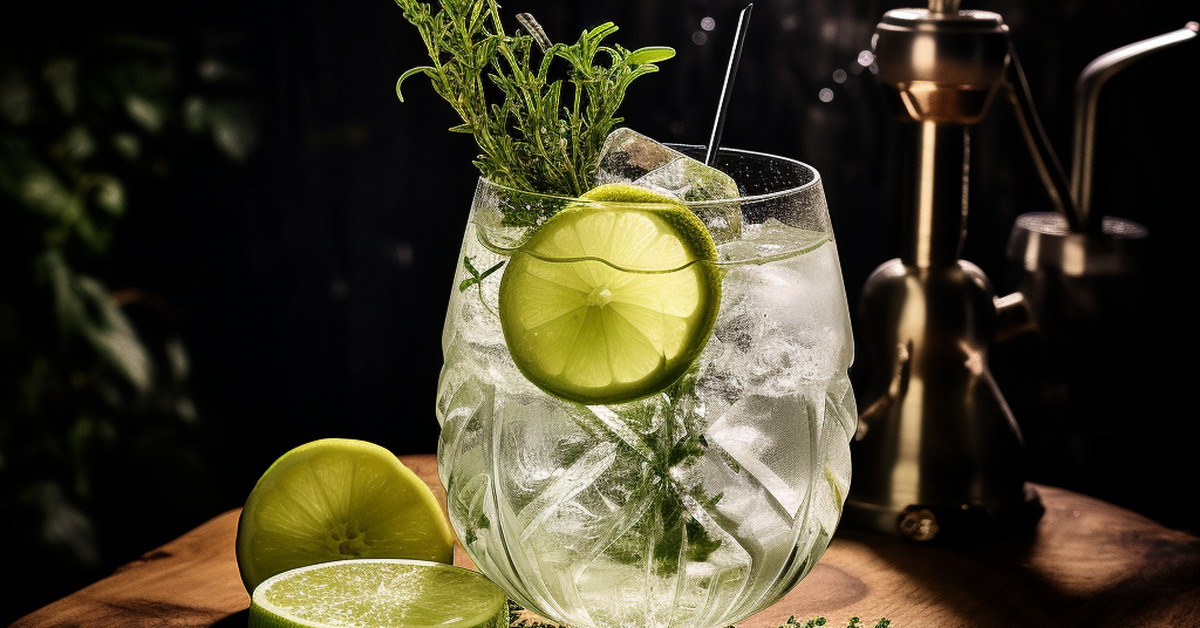
Cracking the code to a stellar G&T is no small feat, but the right garnish can catapult your drink from good to grand. It’s not just about aesthetics; garnishes add layers of flavor that complement the gin’s botanicals. Here’s how to ace the garnishing game.
Citrus and Fresh Herbs
- Zesty Companions: Lemon, lime, and orange twists infuse your G&T with a citrusy spark.
- Herbal Harmony: Rosemary, basil, and thyme lend an aromatic touch that’s nothing short of magic.
- Flavor Fusion: The right garnish can elevate your drink, making the gin’s botanicals sing.
Citrus peels aren’t just for show; they pack a punch of essential oils that meld with gin’s complexity. Herbs like rosemary, with its piney scent, can mirror juniper’s notes in gin. Swiftly, a simple drink becomes a symphony of taste.
Exotic and Unusual Garnishes
- Spice It Up: Star anise or cinnamon can introduce a warm, spicy undertone.
- Floral Notes: Edible flowers and exotic fruits like dragon fruit add a playful twist.
- Profile Perfection: Match garnishes to gin profiles for an unforgettable flavor adventure.
Imagine a cinnamon stick slowly unraveling its warm essence into your glass, or a star anise starlet floating atop, lending its licorice-like note to each sip. These garnishes are not only conversation starters but also accentuate the gin in ways you’d relish.
Presentation and Glassware
- The Right Vessel: Selecting an appropriate glass sets the stage for your G&T.
- Chill Factor: Ice’s role isn’t just to cool; it’s also about controlling dilution.
- Serve in Style: Master the art of presentation for that wow effect every time.
The clink of ice, the glint of a perfectly shaped glass, the allure of a beautifully presented G&T—it’s an experience that begins with the eyes. Opt for large ice cubes that melt slowly, ensuring your drink stays chilled without becoming watered down too quickly.
Making the Most of Your Gin and Tonic
| Ingredient | Purpose | Effect on G&T |
| Citrus Peel | Adds aroma | Enhances botanicals |
| Spices | Introduces warmth | Adds complexity |
| Fresh Herbs | Adds flavor | Creates depth |
| Edible Flowers | Visual appeal | Delivers subtle taste |
With these tips under your belt, you’re set to impress. Remember, the garnish isn’t just an afterthought; it’s central to the character of your G&T.
As we round off this chapter on perfecting your gin and tonic, there’s a whole world of flavors waiting to be paired. Imagine a meal where every bite complements the nuanced notes of your drink. It’s a match made in culinary heaven, and it’s up to you to discover these pairings. Whether it’s a zesty salad that dances with the citrus notes or a rich, savory dish that grounds the botanicals, each pairing promises a journey of discovery for your palate. Keep an eye out for our guide on marrying flavors to transform your drinking experience into a feast for the senses.
Food Pairings with Gin and Tonic

Pairing gin with tonic is an art, one that can elevate a simple drink into a culinary delight. When matched thoughtfully, the herbal notes of gin and the quinine’s zesty bite in tonic can complement a variety of dishes.
Light Bites and Appetizers
Cheese selections and charcuterie A gin and tonic can be a lively companion to a slate of cheeses. Opt for mild goat cheese or a creamy brie to balance the botanicals in the gin. For meats, the salty flavors of prosciutto or salami can be a hit.
Seafood dishes and sushi The clean, crisp taste of gin and tonic pairs seamlessly with seafood. Try it with sushi rolls or a shrimp cocktail. The drink’s acidity cuts through the seafood’s richness, enhancing the flavors.
Vegetarian and vegan-friendly options Gin and tonic can also mingle well with plant-based fare. Think stuffed mushrooms or falafel, the spices in these dishes can dance nicely with the nuanced flavors of gin.
Main Courses
Matching with different cuisines Gin’s versatility shines when sipped alongside various cuisines. Mediterranean dishes or a pan-seared seabass? Both can be friends with this classic cocktail.
Considering the weight and flavor of dishes Pair heavier dishes like lamb with a robust gin to stand up to the meal’s intensity. Lighter meals might call for a more delicate gin.
Balancing the meal with the cocktail’s intensity A rule of thumb: match the cocktail’s intensity with the dish. A gin and tonic with a punch of citrus can brighten up a creamy pasta.
Desserts and Sweet Treats
Pairing with chocolate and fruit-based desserts A gin and tonic can complement a dark chocolate tart, with the bitterness of both creating harmony.
Complementing with gin-infused confections A gin-infused lemon cake? Yes, please. The botanicals can make such desserts sing.
When to opt for a sweeter tonic If the dessert is less sweet, a tonic with a hint of sugar can provide the perfect balance.
Table 1: Ideal Gin and Tonic Pairings for Appetizers and Desserts
| Food Type | Gin & Tonic Pairing | Notes |
|---|---|---|
| Cheeses | Herbal Gin | Creamy cheeses blend well with aromatic gins |
| Charcuterie | Dry Gin | Saltiness of meats is cut through by the dryness of gin |
| Seafood | Citrus-Forward Gin | Accentuates the freshness of seafood |
| Vegetarian Options | Floral Gin | Complements earthy and spicy flavors |
| Chocolate Desserts | Bitter Gin | Harmonizes with the bitterness of dark chocolate |
| Fruit-Based Desserts | Sweet Tonic | Adds a touch of sweetness to balance the dessert |
In your quest for the ultimate gin and tonic experience, consider the food you’ll enjoy alongside it. The right pairing can turn a simple meal into an occasion, transforming flavors from good to sublime. And remember, the journey to the perfect pairing is not just about the drink, but also about the atmosphere it creates and the people you share it with. As we continue on this path, we look forward to guiding you towards crafting a drink that not only quenches your thirst but enhances every bite of your meal.
As a member of the Craft Gin Club for over four years, I’ve picked up a trick or two about creating the perfect G&T. One key tip is to consider the botanicals in your gin when choosing your tonic. A gin heavy on juniper berries might pair well with a classic tonic, but if you’re dealing with more floral notes, perhaps a tonic with a hint of elderflower could be your match. And let’s not forget about alternatives like lemonade, ginger beer, and fruit juice—each can offer a delightful twist on this timeless classic.
Crafting the Perfect Gin and Tonic at Home
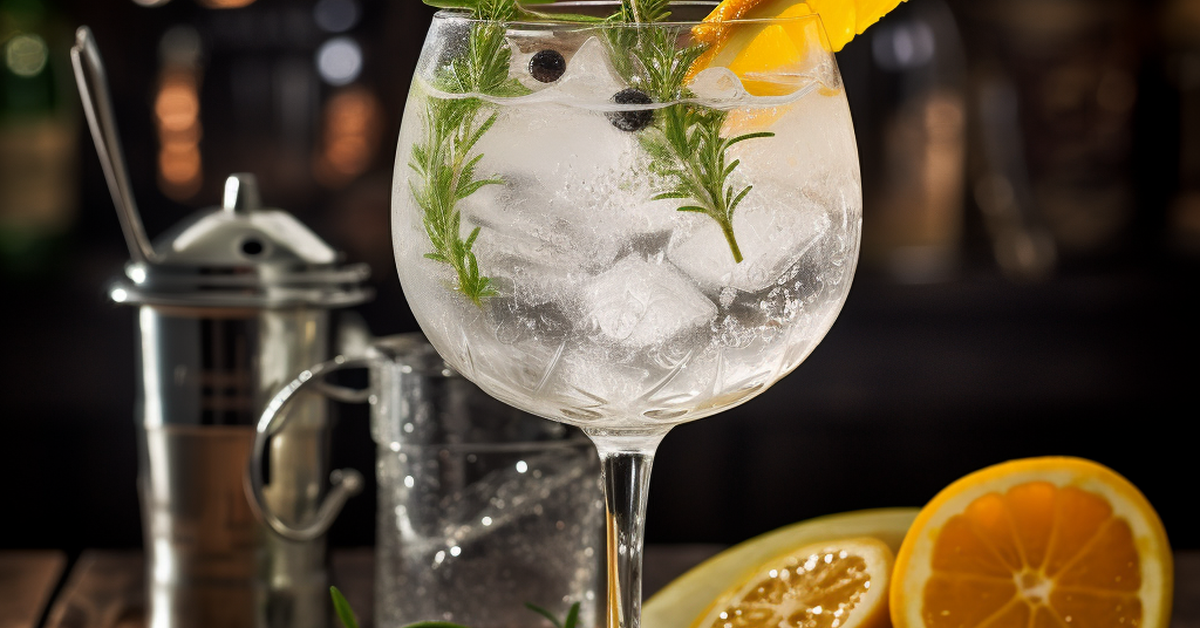
Mastering the classic gin and tonic isn’t just about mixing two ingredients; it’s an art. Your home bar can transform into a mini mixology lab with a few essentials and a touch of creativity.
Essential Tools and Techniques
- Essential bar tools: You’ll need a jigger, a bar spoon, and high-quality glassware.
- The right mix: Balancing the gin’s botanicals with the tonic’s quinine is key.
Pro Tip: Invest in a set of quality bar tools. This small step can elevate your cocktail game immensely. For example, a jigger ensures precise measurements, essential for the perfect balance in a gin and tonic.
Advanced Mixology Tricks
- Infuse and amaze: Create your own gin infusions with herbs or fruits.
- Syrup sophistication: Homemade syrups can add a unique twist to your drink.
Infusing your own gin or tonic allows for a personalized touch to your cocktail. By incorporating different herbs, spices, or fruits, you can tailor the flavor profile to your liking. For instance, adding cucumber or rosemary to your gin can introduce refreshing notes, perfect for a summer evening.
Pro Tip: Don’t shy away from experimenting with homemade syrups. They can add depth and intrigue to your gin and tonic, making it stand out from the standard fare.
Hosting a Gin and Tonic Tasting Event
- Prep and plan: Choose a variety of gins and tonics for guests to try.
- Educate and engage: Share facts about the gin-making process and tonic history.
When hosting a gin and tonic tasting, variety is the spice of life. Offer your guests different types of gin, from London Dry to New Western, and an assortment of tonics. This not only makes for an interesting tasting but also educates your guests on the diversity within this classic drink.
Pro Tip: Encourage guests to mix and match different gins and tonics. This interactive element can help them discover their personal preferences and enjoy the nuances of each combination.
As you wrap up crafting the perfect gin and tonic, remember that the journey to a great drink involves both skill and imagination. Your efforts will not only yield delicious results but also provide a foundation for a memorable social experience. Ready to elevate your gin and tonic game? Let’s keep the good times and the cocktails flowing.
Conclusion: Elevating Your Gin and Tonic Experience
As a devoted member of the Craft Gin Club for more than four years, I’ve soaked up knowledge from seasoned experts. I’ve seen firsthand how the right tonic can make a world of difference when paired with a craft gin. It’s all about balancing flavors to create a sip that tickles the taste buds and leaves you craving more. With each recipe and recommendation on The Cocktail Bird, I aim to guide you toward those perfect pairings that transform your drink from good to unforgettable.
Key Takeaway: Mastering the art of pairing gin with tonic isn’t just about mixing; it’s about matching. It’s about the fusion of distinct botanicals and the effervescence of a quality tonic that together elevate your cocktail experience. Whether you’re a mixology maestro or a cocktail rookie, the journey of discovering your personal preference is as delightful as the drinks themselves.
So, why not share your newfound mix mastery? Spark a conversation, compare notes with pals, or toss a comment our way. Let’s create a buzz around the joy of gin and tonic pairings. Who knows? Your combo might just be the next big hit at The Cocktail Bird. Cheers to your mixology adventures, and here’s to crafting drinks that aren’t just beverages—they’re experiences.
Frequently Asked Questions about Pairing Gin with Tonic
What makes gin and tonic a classic combination?
Gin and tonic is a classic combination due to the harmonious balance between the botanical flavors of gin and the bitter, slightly sweet taste of tonic water. The quinine in tonic water complements the aromatic compounds in gin, such as juniper, citrus peel, and various herbs and spices. This pairing is refreshing, easy to make, and can be customized with different garnishes to enhance the drinking experience.
How do I choose the right tonic for my gin?
The right tonic can enhance the flavor profile of your gin. If you have a particularly juniper-forward gin, look for a tonic that has a clean, crisp taste to contrast the strong botanicals. For more floral or citrusy gins, a tonic with a hint of sweetness or additional flavor infusions like elderflower can complement the gin’s subtleties. Always consider the flavor notes of your gin and try to match or balance them with your tonic.
Can I use flavored tonic water with any gin?
Flavored tonic waters can be used with gin, but it’s important to consider the gin’s botanicals to avoid clashing flavors. For instance, a tonic infused with Mediterranean botanicals might pair well with a gin that has herbal or floral notes. It’s all about balance, so if you’re using a flavored tonic, you might want to opt for a more neutral gin that won’t compete with the tonic’s flavor.
What is the ideal gin to tonic ratio?
The ideal gin to tonic ratio is typically 1:2 or 1:3, which means one part gin to two or three parts tonic water. However, personal preference plays a big role, and some people might prefer a stronger gin flavor (1:1) or a more diluted drink (1:4). Start with a standard ratio and adjust according to your taste.
Should I use ice when serving gin and tonic?
Yes, ice is important when serving gin and tonic as it keeps the drink cold and dilutes it slightly, which can help meld the flavors together. Use large ice cubes or spheres to minimize melting and prevent the drink from becoming too watered down too quickly.
What are the best garnishes for a gin and tonic?
The best garnishes for a gin and tonic are ones that complement or contrast the gin’s botanicals. Common garnishes include a slice of lime or lemon, but you can also use fresh herbs like rosemary or thyme, cucumber slices, or even a twist of grapefruit peel. Experiment with different garnishes to find what best suits the gin you’re using.
Does the quality of gin significantly affect the taste of a gin and tonic?
The quality of gin can significantly affect the taste of a gin and tonic. Higher-quality gins have more nuanced and balanced botanical flavors, which result in a more sophisticated and enjoyable drink. Cheaper gins may be harsher and less complex, which can be somewhat masked by the tonic, but the overall quality of the drink will still be impacted.
How should I serve gin and tonic at a party?
To serve gin and tonic at a party, set up a “G&T bar” where guests can choose from a selection of gins, tonics, and garnishes. Provide plenty of ice, a jigger for measuring, and stirrers. This allows everyone to customize their drink to their liking and encourages experimentation with different combinations.
Are there any non-alcoholic alternatives for gin in a gin and tonic?
Yes, there are non-alcoholic alternatives for gin, often called “non-alcoholic spirits” or “alcohol-free gin,” that mimic the flavor profile of traditional gin without the alcohol content. These can be paired with tonic water to create a non-alcoholic version of the classic gin and tonic.
Is it necessary to use a specific type of glass for a gin and tonic?
While not strictly necessary, using a highball glass or a balloon glass (also known as a Copa glass) can enhance the gin and tonic experience. Highball glasses are tall and straight-sided, perfect for a classic G&T, while balloon glasses have a large bowl that allows for plenty of ice and garnishes, helping to amplify the aromas and flavors of the drink.


