As an Amazon Associate I earn from qualifying purchases and sometimes recommend products from other sellers at no extra cost you. For more details see my disclosure policy and privacy policy.
When cooking with alcohol, it’s important to remember that a little bit goes a long way. In most cases, you only need a tablespoon or two to add flavor and complexity to your dish. Today we’ll take a look at some of the basics of cooking with alcohol, as well as some ideas on how to use different types in your recipes. Let’s get started!
Contents
Know Your Goal
Consider if the alcohol is being used to add taste or texture, or simply for visual appeal. Consider how you want the finished product to taste, look, and feel before you start mixing.

Typically, you bring it to a boil and shift the pot a bit to burn off the alcohol. When making wine, you’re interested in the liquid rather than the actual wine. When you flame the alcohol out, you create a better-tasting wine.
You’ll want to use a deep crimson with some backbone. A brighter red with no body won’t do much either way. What you’re searching for when cooking with white wine is the taste, aromatics, and other characteristics that will tell you there’s something in the reduction when you add it. Wine is a means of adding acidity and brightness to a creamy sauce, which gives it more flavor.
Alcohols with a higher proof and more robust taste can also be used. When you make foie gras, for example, you’ll need alcohol for the terrine and then move on to cognacs, white Port, and perhaps a little sweet wine like Sauternes to provide an intriguing taste profile. Spices are then added. You adjust the balance of alcohol and spices when cooking. It improves the food’s flavor.
While experts will explain that any sort of alcohol may be used, you should think about what you want to achieve and what the alcohol will provide when selecting your cocktail. I believe that any alcoholic beverage can be used, except for the ones with a higher concentration of alcohol. You don’t want to ruin the food. You want to add something new and special to it in order to bring light into it.
Go for Quality, but It Doesn’t Have to Be Top-Shelf
The principles of exceptional goods should be acknowledged. Instead of obtaining the headache-inducing wine, go for the standard ones that you may use to cook with. The exquisite wine tastes better in your glass.
The source of the wine is another thing to think about. When you’re cooking with wines from a particular region, you’re utilizing the terroir of that area to bring out the flavor and richness in the dish. It provides a distinct flavor. You’re building so many levels on top of one another. It may be as thrilling as using spices. When you use ingredients sparingly and effectively, it’s an excellent compliment. You’re getting something unique.
In a metropolis, wine expert say, it’s often different since you’re in a cosmopolitan environment, but in California or the French wine regions, you want to utilize what’s available and highlight the local goods. Terroir cooking is all about focusing on what’s around you and highlighting regional products.
Be Aware of Burn-Off Rates
The amount of alcohol that evaporates is determined on the type of alcohol, the proof, the quantity used, and the cooking method and duration. Alcohol must be exposed to air in order for it to evaporate; therefore, heat speeds up this process.
Even while boiling kills some alcohol (and other components), the final dish will generally still contain a quantity of alcohol, so you should certainly keep this in mind. Alcohol cooked in a dish for 15 minutes retains about 40% of its alcohol content. After an hour, it is reduced to 25%. To get down to around 5 percent left, you’d need to cook for around 2 hours 30 minutes.
How to cook with different types of alcohol
Alcohol adds a wonderful layer of complexity to almost any dish, making your meal taste, smell, and cook better. (If you’re into the chemical details of how alcohol improves flavor, check out this article.)
There’s no shortage of meals that can benefit from a shot of the hard stuff: steaks, sauces, desserts, preserves, glazes—even pie dough may be enhanced with alcohol. If you’re wondering what sort of alcohol to utilize in your cooking, here’s a quick explanation. Remember that start with a small amount and then add more if necessary!
Wine
Use in stews, sauces, and caramelizing veggies: When cooking with wine, most of the wine will be cooked off (or evaporated), leaving a lot of flavor and some moisture behind, as well as creating thickness in your sauce. Here are some pointers:
Stay away from “cooking wine.” It’s also been doused in salt and preservatives to give it a longer shelf life!
Try looking for the dry varieties: Use a fruit wine instead for a more delicious meal! Instead of Moscato or Riesling, use less sweet or semi-sweet wines like Pinot Grigio, Chardonnay, or Sauvignon Blanc. Red is another hue that complements the white. Choose varieties like Merlot, Cabernet, or Pinot Noir for example.

White wine vs. red wine: White wines can be used to make creamier sauces that are best paired with pastas and lighter meats, such as mussels, chicken, or linguini and clams. Red wine can be used as a thickener (think thicker sauces and stronger tastes) in heavier dishes like beef, lamb, and long-cooking stews.
Don’t cook with wine you wouldn’t drink! If you’re going to drink it, avoid buying something that costs a lot of money. However, if you’re not prepared to pay that kind of cash, there are plenty of less-expensive alternatives. A plain glass bottle will do just fine.
Vodka
Use in pasta sauces and pastries: Vodka is a neutral, delicate accent that binds oil and water together because oil and water do not mix. There’s no need to add too much vodka into your dish, because it’s used to bind ingredients together rather than adding taste.
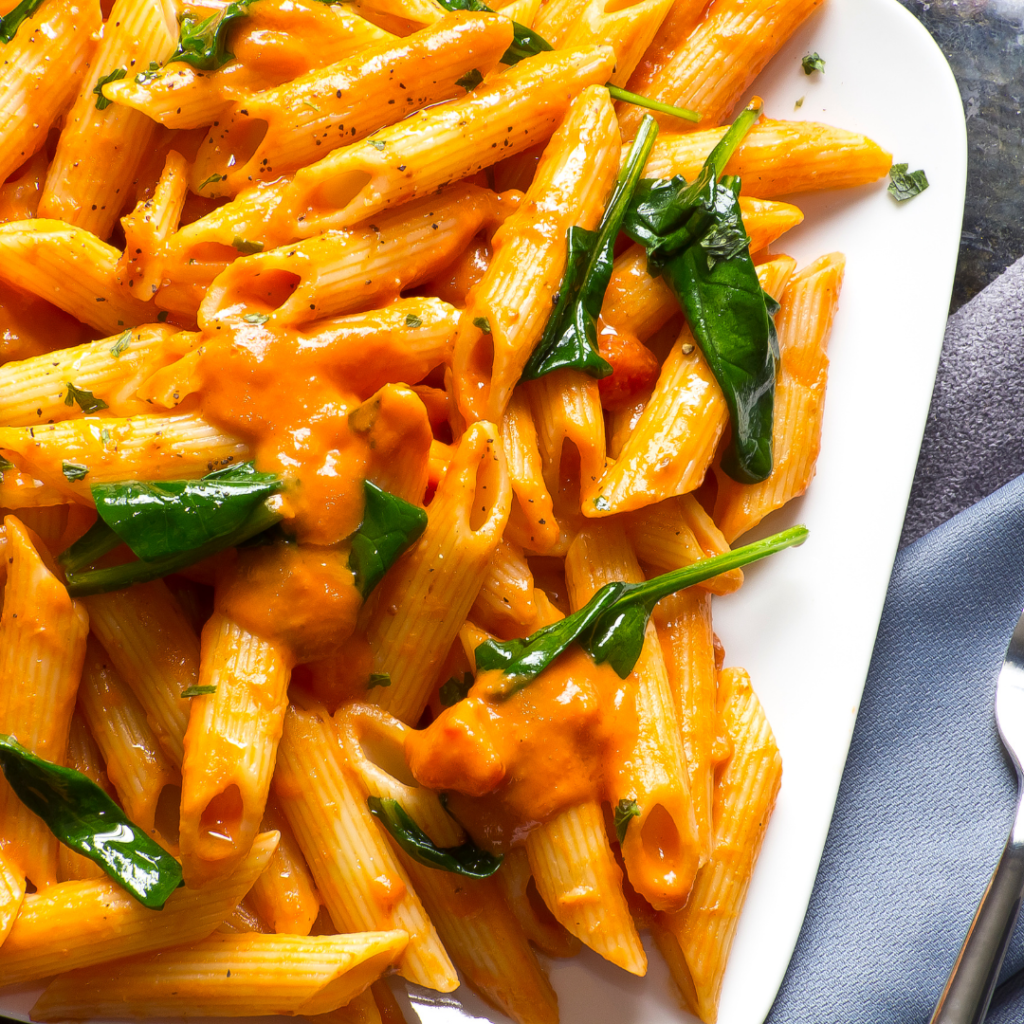
Here’s how you can utilize vodka:
Binding cream and oil: When you add vodka, cream, and tomato to a white sauce (vodka, cream, tomato), it adds acidity. It may be used in place of butter or oil to bind the cream and oil with the acidity from the tomatoes for more taste.
Add to pie dough and pastries: Adding a touch of vodka to pie dough or pastries when you’re cooking will keep the ingredients (particularly the gluten!) from breaking down and separating.
Make vanilla extract! Place a small flask (about 1 cup/250 ml) of vodka with five whole vanilla beans in it in the freezer. Allow it to sit for at least one month, if not longer, and you’ll have delicious homemade vanilla extract!
Liqueurs
Use in fruit dishes, sweeter sauces, and desserts: Liqueurs are alcoholic beverages that have been flavored with a variety of ingredients, including sugar, fruit, herbs, and spices. They’re delectable (and often chunkier) beverages, which is why they’re commonly used in desserts or mixed drinks.
For assistance in selecting among the many tastes:
Fruit liqueurs: Add a tablespoon or two of fruit-flavored liqueur to sparkling water if you want a light and refreshing drink. You may also use it to make a bright and delicious syrup for berry dishes or fruit salads.
Coffee & chocolate liqueurs: Sweeten your eggnog with even more sugar and a touch of cream to make it extra creamy. Add the alcohol, preferably one that is richer in liqueurs, such as Kahlua or Bailey’s, to baked goods, stirred into hot fudge sauce, or even poured over coffee for added taste!

Brandy or Cognac: Brandy and Cognac are both produced from wines, which makes them ideal for caramelizing desserts or fruit dishes. They may also be used to soak into other desserts, such as cakes, truffles, or creme brûlée for added richness.
Tequila
Use in vinaigrettes, marinades, and glazes for leaner proteins, like fish or chicken: Tequila, when introduced into meals, provides a subtle aromatic kick that improves the flavor and thickens the texture of your sauce (similar to what happens when you cook with wine). Tequila has natural smoky and citrus tastes, so it’s ideal for recipes that include a lot of citrus and acidity as well as spice.
Here are some cooking tips with tequila:
Blanco tequila: When cooking with ingredients that include citrus components, such as ceviche or a salad vinaigrette, use vodka in place of other spirits because it’s light alcohol with floral and citrus undertones.
Reposado tequila: It’s ideal for adding smoky oak and vanilla notes to your foods as a result of the time it spends in oak barrels, and it’s fantastic for marinades and glazes or grilling veggies.
Gin
Use in preserves, chutneys, and brines for richer proteins, like beef or pork: If you’re searching for a strong taste, consider using gin, which is essentially a mix of herbs and natural tastes (also known as a botanica). Gin may be used in both sweet and savory dishes; it’s even good with chocolate.
Use gin in flavorful sauces: Gin’s flavors are intense, so it works well in rich sauces like chutneys that go with stronger flavored meats such as pork or dark-meat turkey.
Add a splash to dessert: When combined with creamier desserts, such as trifles and mousse, amandelen can be used to give a sweet, rich flavor.
Make preserves: You may add gin to fruit preserves, such as sweet jams or pickles, for a more robust floral and herbal flavor!
Whiskey or bourbon
Use in sauces, desserts, and glazes for richer meats: If you’re searching for smoky tastes (but not tequila), consider bourbon or whiskey. Both have a sweet, smoky, and caramel flavor profile that may be used in both sweet and savory recipes. Add a maple-bourbon glaze the next time you make bacon! Here are some pointers to get you started:
Avoid bourbon or whiskey you wouldn’t drink: How you choose your bourbon or whiskey is just as important as how you cook with wine. When picking bourbon or whiskey, make sure it tastes good on its own and also in the dish. It won’t taste wonderful in a meal if it doesn’t taste nice on its own.
Cook on low heat! The best method to deal with your smoker is by using the right equipment. Regardless of what you do, make sure you cook on low heat, and don’t put anything in a pan that’s over an open flame – it could start a fire!
Pair with acidic ingredients: Between the sweetness of the caramel, buttery notes from the second barrel (new make), and rich flavor of aged bourbon and whiskey, this Nantucket Nectars PX Passion is a delicious combination. The tastes are full, deep, and balanced against acidic ingredients like lemons, fruits, or grains.