
As an Amazon Associate I earn from qualifying purchases and sometimes recommend products from other sellers at no extra cost you. For more details see my disclosure policy and privacy policy.
If you’ve been exploring the world of wines, you’ve undoubtedly heard of Burgundy wines. Known for their elegance and complexity, Burgundy wines stand out in the wine industry. This guide will take you on a delightful journey through the history, heritage, and unique characteristics of Burgundy wines.
Whether you’re a seasoned wine enthusiast or just starting your wine adventure, this post will provide valuable insights to enhance your appreciation of Burgundy wines.
Contents
History and Heritage of Burgundy Wine Making
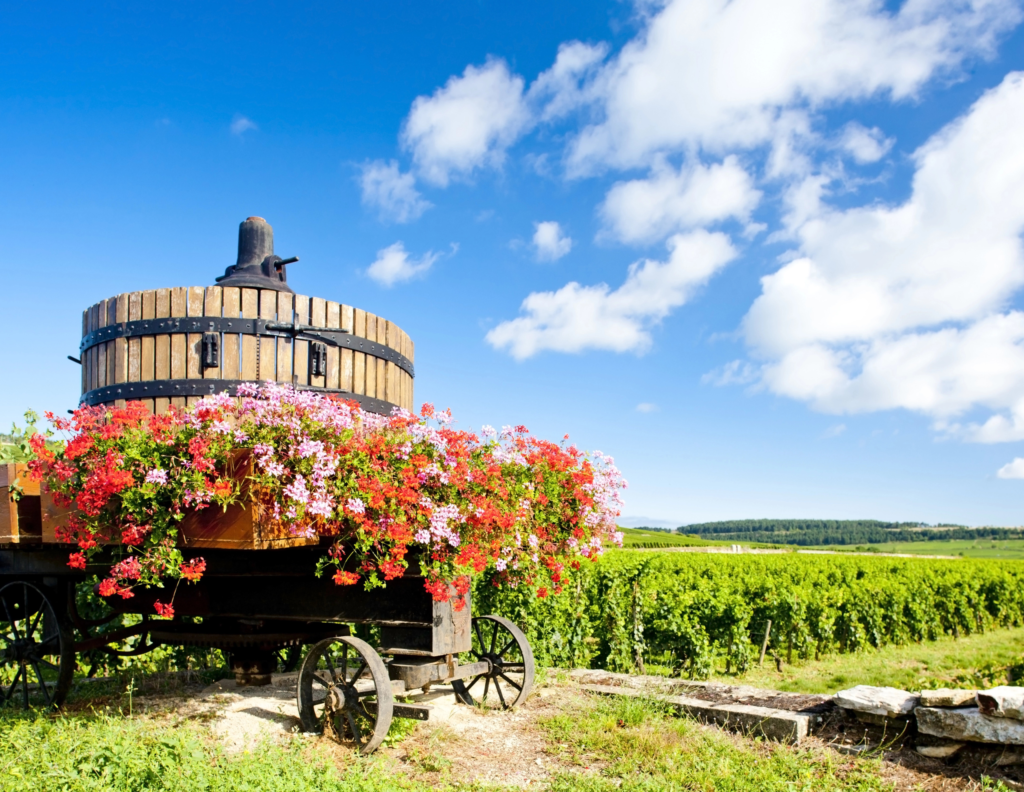
The story of Burgundy wine dates back over two millennia, making it one of the oldest wine regions in France. The Romans first planted vines here, but it was the monks of the Middle Ages who truly shaped Burgundy’s wine culture. These monks meticulously studied the land, laying the foundation for the intricate vineyard classifications we know today.
Burgundy’s heritage isn’t just about age; it’s also about tradition and dedication. For centuries, winemakers in the region have adhered to time-honored practices, ensuring that each bottle reflects the essence of its terroir. This commitment to quality and authenticity has earned Burgundy wines a reputation for excellence worldwide.
Modern Burgundy winemakers continue to respect these traditions while incorporating new techniques to enhance their wines. This blend of old and new keeps Burgundy at the forefront of the wine industry, captivating enthusiasts with each vintage.
Geographical Classification of Burgundy Wines: The Terroir
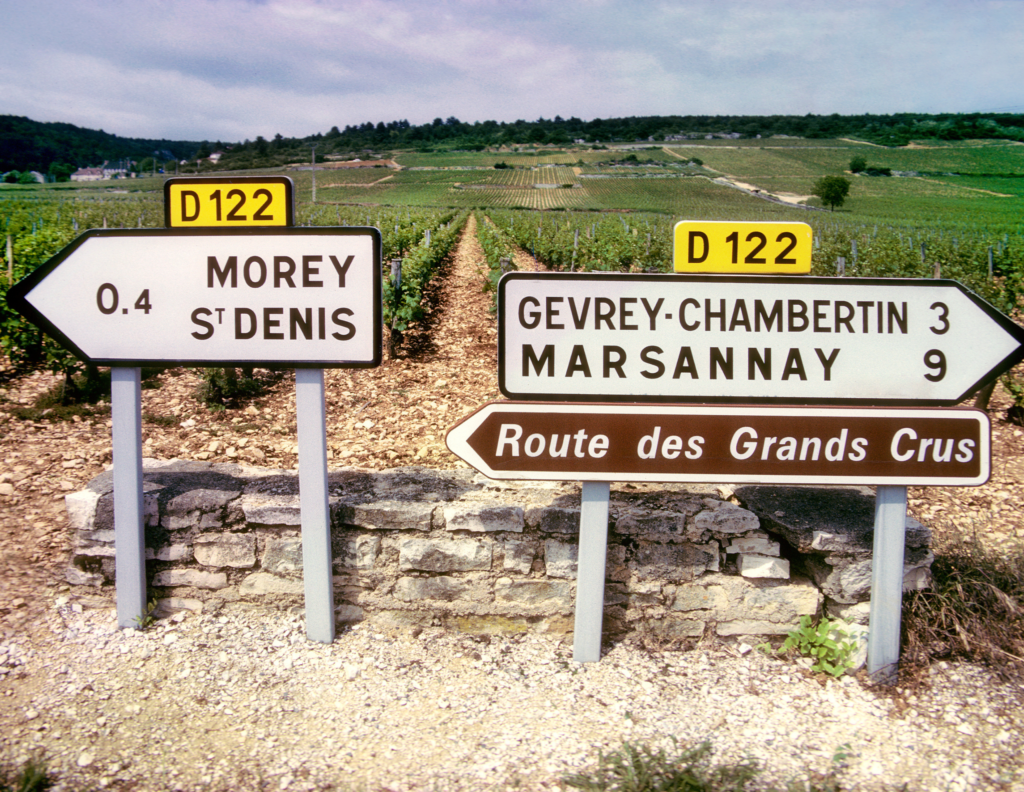
One of the most fascinating aspects of Burgundy wines is the concept of “terroir.” Terroir refers to the unique combination of soil, climate, and landscape that influences the flavor and character of the wine. Burgundy’s diverse terroir is divided into several classifications, each offering distinct qualities.
The region is primarily divided into five main wine-producing areas: Chablis, Côte de Nuits, Côte de Beaune, Côte Chalonnaise, and Mâconnais. Each area has its unique terroir, contributing to the diversity of Burgundy wines. For instance, Chablis is known for its chalky soil, which imparts a crisp minerality to its wines.
Understanding these geographical classifications can help you appreciate the subtle differences between Burgundy wines. Whether you’re savoring a bottle from the Côte de Nuits or exploring the flavors of the Mâconnais, knowing the terroir adds depth to your wine experience.
Grape Varieties: Pinot Noir and Chardonnay
Burgundy is synonymous with two grape varieties: Pinot Noir and Chardonnay. These grapes are the heart and soul of Burgundy wines, each offering unique characteristics that make them beloved by wine enthusiasts.
Pinot Noir
Pinot Noir is the red grape variety that thrives in Burgundy’s terroir. Known for its thin skin and delicate nature, Pinot Noir produces wines with elegant aromas, bright acidity, and complex flavors. Expect notes of red berries, earth, and spice in a well-crafted Burgundy Pinot Noir. This grape requires meticulous care in the vineyard, making its successful cultivation a testament to the skill of Burgundy winemakers.
Chardonnay
Chardonnay, the white grape variety of Burgundy, is equally revered. Burgundy Chardonnays range from crisp and mineral-driven in Chablis to rich and buttery in the Côte de Beaune. This versatility makes Chardonnay a favorite among white wine lovers. Tasting a Burgundy Chardonnay, you’ll often find notes of citrus, green apple, and a hint of oak. The grape’s adaptability to different terroirs results in a wide range of styles and flavors, making it a joy to explore.
Understanding Burgundy Wine Labels
Reading a Burgundy wine label can be daunting, but understanding it is key to appreciating the wine inside the bottle. Burgundy labels provide valuable information about the wine’s origin, classification, and producer.
The label will typically include the name of the vineyard or village, the classification (such as Grand Cru or Premier Cru), and the producer’s name. Burgundy wines are also categorized by quality levels, starting from regional wines (Bourgogne) to the prestigious Grand Cru wines. Knowing how to decipher these labels can enhance your wine selection process and ensure you’re getting the quality you desire.
Additionally, look for the vintage year on the label. Burgundy’s climate can vary significantly from year to year, affecting the quality and character of the wine. A little research on the vintage can provide insights into what to expect from the bottle.
Tasting Guide for Burgundy Wines
Tasting Burgundy wines is a sensory delight. To fully appreciate their complexity, follow these steps:
- Visual Examination: Pour the wine into a glass and observe its color. Red Burgundy wines range from light ruby to deep garnet, while white Burgundies can vary from pale gold to rich yellow.
- Aroma Assessment: Swirl the wine gently to release its aromas. Take a deep sniff and note the primary scents. Red Burgundies often exhibit red fruit, floral, and earthy notes, while white Burgundies may reveal citrus, apple, and oak characteristics.
- Taste Evaluation: Take a small sip and let it coat your palate. Pay attention to the flavors, acidity, tannins (for reds), and body of the wine. Burgundy wines are known for their balance and finesse, offering layers of flavors that evolve with each sip.
- Finish: Notice the aftertaste and how long the flavors linger. A good Burgundy wine will have a long, satisfying finish that leaves a lasting impression.
Practicing these steps will help you develop a deeper appreciation for the nuances of Burgundy wines and enhance your overall tasting experience.
Pairing Burgundy Wines with Food
Pairing Burgundy wines with food can elevate both the wine and the meal. The versatility of Pinot Noir and Chardonnay makes them excellent companions for a variety of dishes.
Red Burgundy (Pinot Noir)
- Roasted Poultry: The bright acidity and red fruit flavors of Pinot Noir complement roasted chicken or duck.
- Mushroom Dishes: Earthy mushrooms enhance the earthy notes in the wine, creating a harmonious pairing.
- Salmon: The wine’s acidity cuts through the richness of salmon, making it a delightful match.
White Burgundy (Chardonnay)
- Seafood: The crisp minerality of Chablis pairs beautifully with oysters, shrimp, and other seafood.
- Creamy Pasta: Rich, buttery Chardonnays from the Côte de Beaune are perfect with creamy pasta dishes.
- Soft Cheeses: The wine’s acidity balances the creaminess of cheeses like Brie or Camembert.
Experimenting with different pairings can be a fun and rewarding way to explore the versatility of Burgundy wines.
Exploring the Best Burgundy Wine Producers
Burgundy is home to many renowned wine producers, each with its unique style and expertise. Here are a few notable names to explore:
- Domaine de la Romanée-Conti: Known for producing some of the world’s most sought-after and expensive wines, this domaine is a must-try for any Burgundy enthusiast.
- Domaine Leroy: With a focus on biodynamic farming, Domaine Leroy produces exceptional wines that reflect the purity of the terroir.
- Maison Joseph Drouhin: This family-owned winery offers a wide range of high-quality wines, from regional to Grand Cru.

These producers represent the pinnacle of Burgundy winemaking, and tasting their wines provides insight into the region’s exceptional quality.
Tips for Cooking with Burgundy
Cooking with Burgundy wine can add depth and complexity to your dishes. Here are some tips to make the most of it:
Red Burgundy
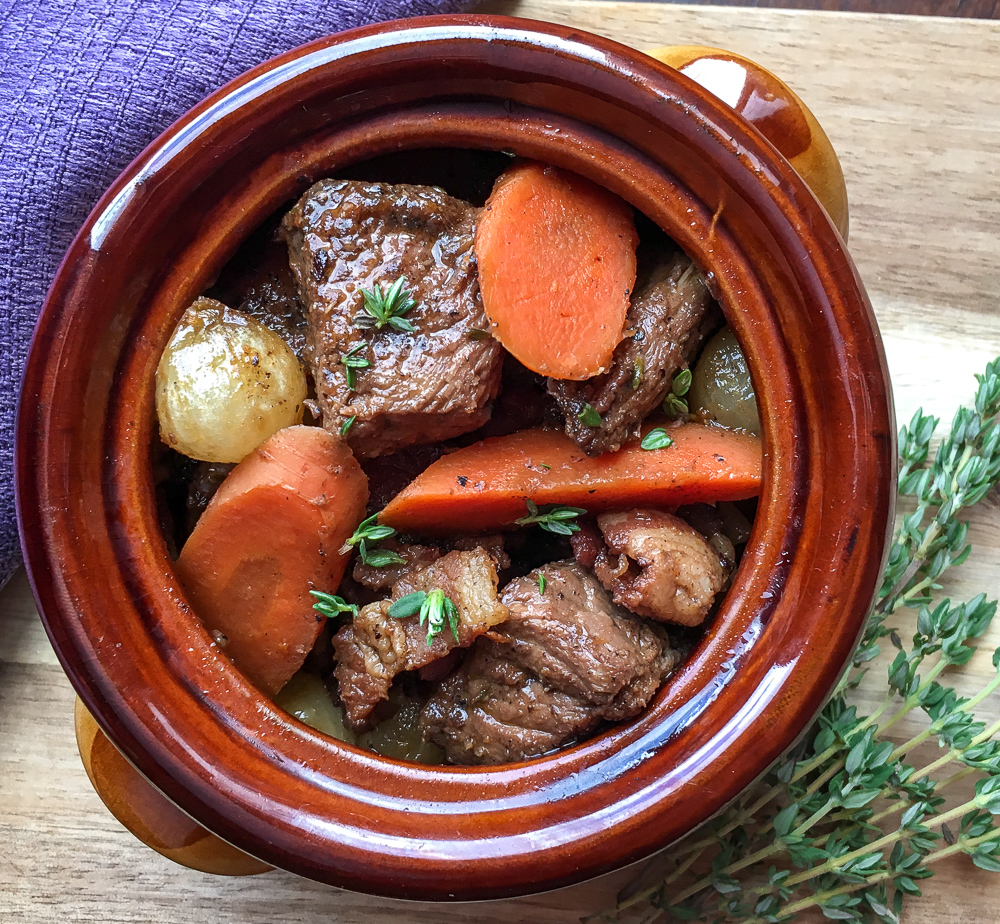
- Coq au Vin: This classic French dish uses red Burgundy to braise chicken, creating a rich and flavorful stew.
- Beef Stew: Another French favorite, this dish combines beef, red Burgundy, and vegetables for a hearty meal.
- Red Wine Reduction: Use red Burgundy to make a luxurious sauce that pairs well with steak or lamb.
White Burgundy
- Seafood Dishes: Add white Burgundy to seafood stews or sauces for a touch of elegance.
- Cream Sauces: Incorporate white Burgundy into creamy pasta sauces for added complexity.
- Risotto: Use white Burgundy in place of some of the stock when making risotto to enhance the flavor.
Cooking with Burgundy can elevate your culinary creations, adding a gourmet touch to your meals.
Conclusion
Burgundy wines offer a timeless appeal that continues to captivate wine enthusiasts around the world. From their rich history and diverse terroir to the elegance of Pinot Noir and Chardonnay, there’s so much to explore and appreciate. By understanding the nuances of Burgundy wines, you can enhance your wine tasting and pairing experiences, making each sip a memorable one.
If you’re eager to deepen your knowledge and refine your palate, consider joining a wine club or attending a tasting event. These opportunities can provide valuable insights and connect you with fellow wine lovers who share your passion. Cheers to discovering the enchanting world of Burgundy wines!


